

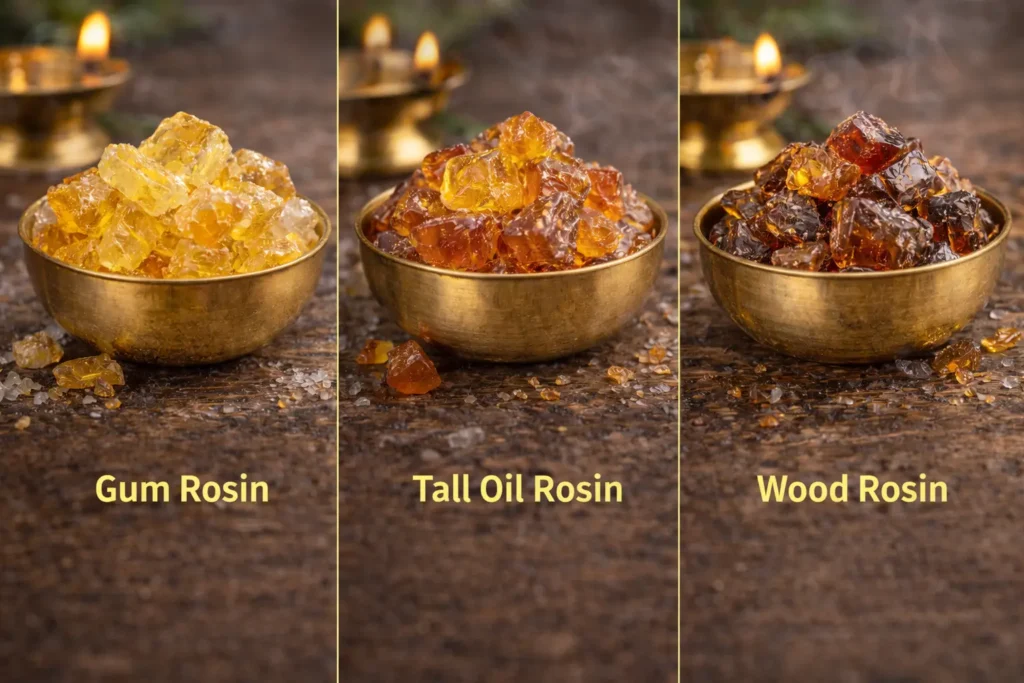
Gum rosin stands as one of the most versatile natural resins in industrial applications today, but how does it compare to its counterparts-tall oil rosin and wood rosin? Understanding these differences is crucial for manufacturers, formulators, and procurement specialists who need to make informed decisions about their raw materials. At SVD PineChem, we’ve spent years helping businesses navigate the complex world of rosin derivatives, and in this comprehensive guide, we’ll break down everything you need to know about these three distinct rosin types.
The global rosin market continues to expand in 2026, driven by increased demand in adhesives, inks, coatings, and rubber industries. Each type of rosin-gum, tall oil, and wood-offers unique characteristics that make it suitable for specific applications. At SVD PineChem, our expertise in sourcing and supplying premium gum rosin has given us deep insights into how these materials perform across different industries, and we’re here to share that knowledge with you.
What Is Gum Rosin and How Is It Produced?
Gum rosin is extracted directly from living pine trees through a process called tapping, which involves making careful incisions in the tree bark to collect the oleoresin that naturally exudes. This traditional harvesting method has been practiced for centuries and remains the primary source of high-quality rosin worldwide. The collected oleoresin, often called crude turpentine, undergoes distillation to separate turpentine oil from the solid resin component-the gum rosin.
The production process for gum rosin is remarkably sustainable when done correctly. Trees can be tapped for 20-30 years without significant harm, making it a renewable resource that supports forest-based economies. At SVD PineChem, we work exclusively with suppliers who follow sustainable tapping practices, ensuring that our gum rosin products meet both quality and environmental standards.
Gum rosin typically appears as translucent, amber-colored lumps or flakes with a characteristic pine scent. Its chemical composition consists primarily of resin acids (especially abietic acid and its isomers), which give it excellent adhesive properties, film-forming capabilities, and compatibility with various organic solvents. The purity and consistency of gum rosin make it highly valued in applications requiring predictable performance.
How Does Tall Oil Rosin Differ from Gum Rosin?
Tall oil rosin originates from a completely different source-it’s a byproduct of the kraft pulping process used in paper manufacturing. When wood chips are processed with sulfate chemicals to produce paper pulp, the resulting “black liquor” contains fatty acids and rosin acids that can be separated and refined. This byproduct, called crude tall oil, is then fractionated to yield tall oil rosin, tall oil fatty acids, and other derivatives.
The chemical composition of tall oil rosin differs notably from gum rosin. While both contain resin acids, tall oil rosin typically has a darker color (ranging from brown to dark red) and contains more unsaturated components. These structural differences affect its performance characteristics-tall oil rosin generally has lower softening points and different oxidative stability compared to gum rosin.
From an economic perspective, tall oil rosin availability depends entirely on paper production volumes. In 2026, as digital transformation continues to reduce paper demand in many regions, tall oil rosin supply has become less predictable than gum rosin. This supply chain consideration is important for manufacturers who need consistent raw material availability. Industries often choose tall oil rosin for cost-sensitive applications where its slightly different properties don’t compromise final product performance.
What Makes Wood Rosin Unique Compared to Other Types?
Wood rosin is extracted from aged pine stumps and wood residues through solvent extraction methods. This process involves chipping or shredding the wood, then using organic solvents to dissolve out the resinous components. After solvent removal and purification, the resulting product is wood rosin-sometimes also called “extracted rosin” in technical literature.
The quality of wood rosin can vary significantly depending on the age of the wood source and the extraction method used. Generally, wood rosin has a darker color than gum rosin and may contain more oxidized materials and impurities. Its acid number (a measure of resin acid content) is typically lower than gum rosin, which affects its reactivity and performance in chemical modifications.
Historically, wood rosin was more common when virgin forests provided abundant stumps from logging operations. Today, with improved forest management and reduced logging of old-growth forests, wood rosin represents a smaller portion of the global rosin supply. Most manufacturers prefer gum rosin or tall oil rosin for applications requiring consistent quality and color, though wood rosin still finds use in certain industrial applications where its specific properties are advantageous.
Why Is Understanding Rosin Types Important in 2025-2026?
Understanding the distinctions between gum rosin, tall oil rosin, and wood rosin has become increasingly critical as industries face supply chain challenges, sustainability pressures, and evolving regulatory requirements. In 2026, manufacturers are under greater scrutiny to document their raw material sources and ensure environmental compliance, making informed rosin selection more important than ever.
Supply Chain Stability: Gum rosin production depends on forestry operations and labor availability in producing regions like China, Indonesia, and India. Tall oil rosin is tied to paper industry output, which continues declining in many developed markets. Wood rosin availability is limited by sustainable wood residue sources. Understanding these supply dynamics helps procurement teams develop resilient sourcing strategies.
Performance Requirements: Different applications demand specific rosin characteristics. Adhesive formulations may require the lighter color and higher acid number of gum rosin, while certain rubber applications can accommodate the cost advantages of tall oil rosin. At SVD PineChem, we help customers match rosin type to application requirements, ensuring optimal performance without unnecessary costs.
Sustainability Credentials: Consumer brands increasingly demand transparent, sustainable supply chains. Gum rosin from responsibly managed forests offers compelling sustainability narratives, particularly when sourced through certified suppliers. This consideration influences purchasing decisions across sectors from personal care to food packaging.
Which Rosin Type Offers the Best Quality and Consistency?
Gum rosin is widely regarded as the premium option among the three rosin types, primarily due to its superior color, purity, and consistency. The direct extraction from living trees yields a product with minimal contamination and predictable chemical composition. This consistency is invaluable for manufacturers who require batch-to-batch uniformity in their finished products.
The grading system for gum rosin provides additional quality assurance. Grades range from WG (Water White) to N (darkest commercial grade), with color being a primary indicator of purity and oxidation level. Higher grades like WW and WG command premium prices but deliver exceptional performance in demanding applications such as specialty adhesives, electronics soldering fluxes, and pharmaceutical formulations.
Tall oil rosin, while more variable in quality, has improved significantly through advanced refining technologies. Modern distillation and hydrogenation processes can produce tall oil rosin derivatives that compete with gum rosin in many applications. However, the inherent variability in crude tall oil composition means that quality control requires more vigilant monitoring compared to gum rosin.
Wood rosin typically ranks third in quality hierarchy due to its darker color, higher oxidation levels, and potential impurities from the extraction process. It finds application in less demanding uses where cost considerations outweigh quality requirements. Some manufacturers use wood rosin in applications where its unique properties-such as specific tackiness characteristics-provide functional advantages.
How Do Application Requirements Influence Rosin Selection?
Adhesives and Sealants: Gum rosin dominates in hot-melt adhesives, pressure-sensitive adhesives, and high-performance sealants where color, tack, and thermal stability are critical. Its compatibility with various polymers and excellent film-forming properties make it irreplaceable in premium formulations. Tall oil rosin may substitute in cost-sensitive adhesive applications where slight color variation is acceptable.
Printing Inks: The printing ink industry relies heavily on rosin esters and modified rosins. Gum rosin-based products are preferred for lithographic inks and high-quality publication inks due to superior color and gloss characteristics. Tall oil rosin derivatives find use in newsprint and packaging inks where cost efficiency is prioritized.
Rubber Compounding: Both gum rosin and tall oil rosin serve as softening agents and tackifiers in rubber compounds. The choice often depends on the specific elastomer system and performance requirements. Synthetic rubber formulations may use either type, while natural rubber applications often specify gum rosin for optimal processing characteristics.
Coatings and Varnishes: Rosin-based resins have been used in coatings for centuries. Modern formulations increasingly use modified rosins (rosin esters, rosin phenolics) rather than unmodified rosin. The starting material quality-particularly when using gum rosin-significantly influences the performance of these modified products in terms of color retention, durability, and weather resistance.
Specialty Applications: Electronics soldering fluxes require the highest purity gum rosin grades to ensure proper wetting and minimal residue. Food-grade applications (like chewing gum base) exclusively use pharmaceutical-grade gum rosin. These demanding applications demonstrate why quality distinctions between rosin types matter significantly in specialty markets.
What Are the Price Differences Between Rosin Types?
Price variations between gum rosin, tall oil rosin, and wood rosin reflect their quality differences, production costs, and market dynamics. In 2026, gum rosin typically commands the highest prices, with premium WW and WG grades trading at significant premiums over lower grades. The price differential reflects the labor-intensive tapping process, limited supply from producing regions, and superior quality characteristics.
Tall oil rosin generally prices lower than equivalent-grade gum rosin, making it attractive for cost-sensitive applications. However, tall oil rosin pricing correlates with pulp and paper industry economics, creating different market volatility patterns compared to gum rosin. When paper production declines, tall oil rosin supply tightens, potentially inverting normal price relationships.
Wood rosin typically represents the most economical option, though its limited availability and quality constraints restrict its use to specific applications. The price advantage of wood rosin becomes meaningful primarily in bulk industrial applications where its characteristic properties don’t compromise performance.
Market forces in 2026 continue to favor gum rosin for manufacturers prioritizing supply security and quality consistency. At SVD PineChem, we’ve observed that customers willing to invest in premium gum rosin often realize total cost advantages through improved product performance, reduced formulation problems, and enhanced end-product quality-factors that outweigh initial raw material price differences.
How Can You Ensure Quality When Sourcing Rosin?
Supplier Verification: Working with established suppliers who provide complete documentation, including certificates of analysis, is essential. Reputable suppliers like SVD PineChem maintain strict quality control protocols and traceability systems that document rosin from source to delivery.
Testing Parameters: Key quality indicators for rosin include softening point, acid number, saponification value, color grade, and ash content. Advanced testing may include gas chromatography to profile resin acid composition. Understanding these parameters helps you specify requirements and verify incoming material quality.
Consistency Over Time: Single-batch testing isn’t sufficient-quality assurance requires monitoring consistency across multiple deliveries. Establishing long-term relationships with reliable suppliers ensures access to consistent material that won’t disrupt your production processes.
Sustainability Certification: Increasingly, rosin purchasers seek FSC (Forest Stewardship Council) or equivalent certifications verifying sustainable forest management. These certifications provide assurance that gum rosin originates from responsibly managed sources, supporting corporate sustainability commitments.
Conclusion: Making the Right Rosin Choice for Your Needs
Choosing between gum rosin, tall oil rosin, and wood rosin requires carefully weighing quality requirements, application demands, supply chain considerations, and cost constraints. For most demanding applications, gum rosin offers unmatched consistency, purity, and performance characteristics that justify its premium pricing. Tall oil rosin provides a cost-effective alternative for applications with more flexible specifications, while wood rosin serves specialized needs where its unique properties offer advantages.
The rosin industry in 2026 faces evolving challenges from supply constraints, sustainability expectations, and changing end-market demands. Manufacturers who understand the fundamental differences between rosin types are better positioned to make informed sourcing decisions that balance performance, cost, and supply security. Whether you’re formulating adhesives, inks, coatings, or specialty products, selecting the appropriate rosin type forms a critical foundation for product success.
At SVD PineChem, we’re committed to helping businesses navigate these decisions with expert guidance and access to premium gum rosin products. Our comprehensive understanding of rosin production, chemistry, and application technology enables us to support customers across diverse industries with tailored solutions that meet their specific requirements. Contact us to learn how our gum rosin products can enhance your formulations and strengthen your supply chain.
Frequently Asked Questions (FAQ)
Q: What is the main difference between gum rosin and tall oil rosin?
A: Gum rosin is extracted directly from living pine trees through tapping, while tall oil rosin is a byproduct of the kraft pulping process used in paper manufacturing. Gum rosin generally offers superior color, purity, and consistency, making it preferred for premium applications, whereas tall oil rosin provides a cost-effective alternative with slightly different chemical properties.
Q: Which type of rosin is best for adhesive manufacturing?
A: Gum rosin is typically preferred for high-performance adhesives due to its excellent tack, superior color, and consistent quality. It performs exceptionally well in hot-melt adhesives, pressure-sensitive adhesives, and specialty formulations. Tall oil rosin may be used in cost-sensitive adhesive applications where slight color variation is acceptable and performance requirements are less stringent.
Q: Is gum rosin more sustainable than other rosin types?
A: When sourced from responsibly managed forests, gum rosin is highly sustainable since pine trees can be tapped for 20-30 years without significant harm, making it a renewable resource. Tall oil rosin offers sustainability benefits as a byproduct of paper production that would otherwise be waste. The sustainability profile depends on sourcing practices and certification standards rather than rosin type alone.
Q: How do I determine which rosin grade I need for my application?
A: Rosin grade selection depends on your specific requirements for color, acid number, and purity. Premium applications like electronics soldering flux or pharmaceutical uses require high grades (WW or WG gum rosin), while industrial applications may use lower grades. Consulting with experienced suppliers like SVD PineChem who understand your application requirements helps identify the optimal grade that balances performance and cost.
Q: Why has tall oil rosin availability become less predictable in recent years?
A: Tall oil rosin supply is directly tied to paper and pulp production volumes. As digital transformation reduces paper demand globally, particularly in developed markets, the kraft pulping processes that generate tall oil as a byproduct have declined. This makes tall oil rosin supply less predictable compared to gum rosin, which is produced independently of other industrial processes.
Q: Can different rosin types be used interchangeably in formulations?
A: Rosin types are not always directly interchangeable due to differences in chemical composition, color, and performance characteristics. While some applications can accommodate different rosin types with minor formulation adjustments, others require specific rosin characteristics. Switching rosin types typically requires reformulation and testing to ensure the final product meets quality and performance standards.
