

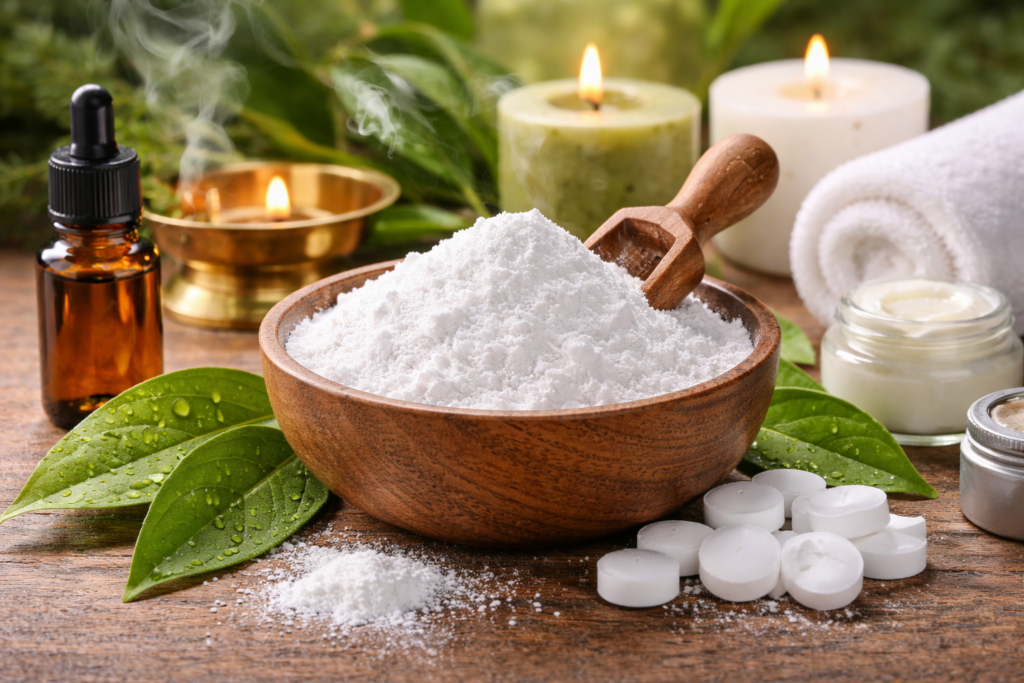
Camphor powder is a versatile white crystalline substance with a distinctive aromatic scent that has been used for centuries across medical, religious, and industrial applications worldwide. Derived primarily from camphor trees or synthesized from turpentine oil, this remarkable compound continues to serve important roles in modern formulations ranging from topical analgesics to moth repellents. At SVD PineChem, we understand the increasing demand for high-quality camphor products as manufacturers seek reliable sources for pharmaceutical, personal care, and industrial applications.
The global camphor market in 2026 reflects growing awareness of natural remedies, expanding pharmaceutical applications, and sustained industrial demand. Camphor powder’s unique properties—including its cooling sensation, antimicrobial activity, and volatility—make it irreplaceable in numerous formulations. At SVD PineChem, our expertise in camphor sourcing and quality assurance helps businesses navigate regulatory requirements while securing consistent supply of this essential ingredient.
Understanding what camphor powder is, how it works, and how to use it safely is crucial for manufacturers, formulators, healthcare professionals, and consumers alike. This comprehensive guide explores the science, applications, benefits, and safety considerations surrounding camphor powder to provide the authoritative information you need.
What Is Camphor Powder and How Is It Made?
Camphor powder is a terpenoid compound with the molecular formula C₁₀H₁₆O, appearing as white or transparent crystalline flakes with a strong, penetrating camphoraceous odor. At room temperature, camphor slowly sublimes (transitions directly from solid to gas), which contributes to its aromatic properties and effectiveness in various applications. This sublimation characteristic also means camphor powder must be stored in sealed containers to prevent loss over time.
The production of camphor follows two primary pathways: natural extraction and synthetic manufacture. Natural camphor comes from the wood of camphor trees (Cinnamomum camphora), native to Asia, through steam distillation. The wood is chipped, steamed, and the resulting vapors are condensed to yield crude camphor crystals that are then refined through sublimation to produce pure white camphor powder.
Synthetic camphor, which dominates the commercial market today, is manufactured from turpentine oil—specifically from alpha-pinene, a terpene abundant in pine tree derivatives. Through a series of chemical transformations including isomerization and oxidation, alpha-pinene converts to camphor with identical chemical structure and properties to natural camphor. This synthetic route provides cost-effective, sustainable production at the scale required for global demand.
Camphor powder exists in different isomeric forms—d-camphor (dextrorotatory), l-camphor (levorotatory), and dl-camphor (racemic mixture). Natural camphor from camphor trees is predominantly d-camphor, while synthetic camphor is typically the racemic form. For most applications, these forms are functionally equivalent, though some regulatory frameworks and traditional uses may specify natural camphor.
How Does Camphor Powder Work in Different Applications?
Camphor powder’s effectiveness across diverse applications stems from its unique pharmacological and chemical properties. When applied topically, camphor interacts with sensory nerve endings in the skin, creating the characteristic cooling sensation followed by a warming effect. This counterirritant action works by stimulating nerve endings, which can help mask underlying pain signals—the mechanism behind its use in analgesic balms and liniments.
The antimicrobial properties of camphor powder contribute to its traditional use in medicinal preparations. Research has demonstrated camphor’s effectiveness against various bacteria and fungi, making it valuable in formulations designed to prevent infection or preserve products. These antimicrobial effects, combined with its aromatic properties, explain camphor’s historical use in embalming, religious ceremonies, and household fumigation.
In pharmaceutical formulations, camphor powder functions as a penetration enhancer, helping active ingredients better absorb through the skin. This property makes it a valuable excipient in transdermal delivery systems and topical medications. The volatile nature of camphor also contributes to the rapid onset of therapeutic effects when applied to the skin.
Industrially, camphor powder serves as a plasticizer for cellulose nitrate, improving flexibility and processability. Its volatility makes it useful in applications requiring sublimation, such as in certain manufacturing processes and traditional uses like camphor tablets for storage protection. The chemical structure of camphor also makes it a useful intermediate in organic synthesis, serving as a building block for other compounds.
What Are the Primary Uses and Benefits of Camphor Powder?
Topical Pain Relief: Camphor powder is a key ingredient in over-the-counter pain relief products including muscle rubs, arthritis creams, and sports balms. Its counterirritant properties provide temporary relief from minor aches, pains, and muscle soreness. Formulations typically contain 3-11% camphor for topical analgesic effects, with higher concentrations restricted by regulatory agencies.
Respiratory Support: Camphor powder appears in chest rubs and steam inhalation products designed to ease congestion and cough symptoms. When applied to the chest or added to hot water for steam therapy, camphor’s vapors can provide a soothing sensation and help open nasal passages. These applications have been traditional remedies for centuries and remain popular today.
Skin Care Formulations: The cooling and antimicrobial properties of camphor powder make it useful in various skin care products. It appears in acne treatments, anti-itch creams, and formulations for minor skin irritations. Some traditional skin care practices use camphor for its purported ability to improve skin tone and reduce oiliness, though modern formulations use carefully controlled concentrations to ensure safety.
Moth and Insect Repellent: Camphor powder’s strong odor and sublimation properties make it effective for protecting stored clothing and textiles from moths and other insects. Traditional camphor tablets or sachets placed in closets and storage areas provide sustained protection through slow vapor release. This application remains popular despite the availability of synthetic alternatives.
Religious and Cultural Practices: In many Asian cultures, camphor powder plays important ceremonial roles. It burns with a bright, smoke-free flame, making it suitable for religious rituals, meditation practices, and temple offerings. This cultural significance sustains demand for high-quality natural camphor in regions where these traditions continue.
Industrial Applications: Beyond consumer products, camphor powder serves industrial functions including use as a plasticizer in celluloid production, a component in certain pyrotechnic compositions, and a chemical intermediate in pharmaceutical synthesis. At SVD PineChem, we serve diverse industrial customers requiring camphor that meets specific purity and quality standards.
Why Is Camphor Powder Important in 2026?
Camphor powder remains highly relevant in 2026 as multiple trends converge to sustain and grow demand across its application areas. The resurgence of interest in traditional remedies, backed by modern scientific validation, has renewed attention on camphor’s therapeutic properties. Research continues to explore camphor’s mechanisms of action and potential new applications in pharmaceutical development.
Natural and Traditional Medicine Growth: Consumer preference for natural ingredients in healthcare and personal care products has strengthened camphor powder’s market position. As a naturally derived compound with extensive historical use, camphor appeals to consumers seeking alternatives to purely synthetic medications. This trend has encouraged pharmaceutical companies to reformulate products highlighting natural active ingredients like camphor.
Expanding Pharmaceutical Research: Modern research is uncovering new potential applications for camphor beyond traditional uses. Studies exploring camphor’s neuroprotective properties, its effects on cellular signaling pathways, and its potential role in novel drug delivery systems suggest future pharmaceutical applications. This scientific attention validates and expands camphor’s relevance in contemporary medicine.
Regulatory Evolution: Regulatory frameworks for camphor continue to evolve, with agencies like the FDA and EMA maintaining specific guidelines for camphor use in consumer products. In 2026, these regulations balance camphor’s therapeutic benefits against safety concerns, particularly regarding use in pediatric populations. Manufacturers must stay current with these requirements, making partnerships with knowledgeable suppliers like SVD PineChem increasingly valuable.
Sustainable Sourcing Considerations: The shift toward synthetic camphor from turpentine oil (itself often a byproduct of paper production or pine tree processing) represents sustainable chemistry in action. This production pathway utilizes renewable resources and industrial waste streams, aligning with circular economy principles. Companies focused on sustainability credentials can leverage camphor’s renewable origins in their product narratives.
How Should Camphor Powder Be Used Safely?
Camphor powder requires careful handling and use due to its potent effects and potential toxicity at high concentrations or when ingested. Understanding proper safety practices is essential for manufacturers, healthcare providers, and consumers to maximize benefits while minimizing risks.
Topical Application Guidelines: When using camphor powder in topical formulations, concentrations should remain within regulatory limits—typically 3-11% for over-the-counter products in most jurisdictions. Apply camphor-containing products only to intact skin, avoiding broken skin, wounds, or mucous membranes. Wash hands thoroughly after application and avoid contact with eyes.
Prohibition on Internal Use: Camphor powder should never be taken internally or ingested. Even small amounts of ingested camphor can cause serious toxicity including nausea, vomiting, seizures, and in severe cases, death. This prohibition is absolute—no safe dose exists for oral consumption. Products containing camphor must be clearly labeled with appropriate warnings and kept out of reach of children.
Pediatric Considerations: Special caution is required when using camphor-containing products on or around children. Many jurisdictions prohibit or restrict camphor use in products intended for children under 2 years of age due to increased sensitivity and toxicity risks. For older children, lower concentrations and limited application areas are recommended. Parents and caregivers should consult healthcare providers before using camphor products on children.
Storage and Handling: Store camphor powder in tightly sealed containers away from heat sources, as it is flammable. Keep it in a cool, dry location out of direct sunlight to minimize sublimation losses. In industrial settings, follow appropriate workplace safety protocols including adequate ventilation and personal protective equipment as specified by material safety data sheets.
Signs of Adverse Reactions: Discontinue use and seek medical attention if skin irritation, rash, or unusual reactions occur after applying camphor-containing products. Symptoms of camphor toxicity (typically from accidental ingestion) include burning sensation in mouth and throat, nausea, vomiting, confusion, seizures, and respiratory distress—all requiring immediate emergency medical intervention.
Interaction Considerations: While topical camphor typically presents minimal drug interaction concerns, individuals using multiple topical medications should consult healthcare providers about potential interactions. People with specific medical conditions, particularly respiratory issues or epilepsy, should discuss camphor use with their doctors as it may not be appropriate in all circumstances.
What Quality Factors Matter When Sourcing Camphor Powder?
Purity and Grade: Camphor powder quality varies from industrial grade to pharmaceutical/USP (United States Pharmacopeia) grade. Pharmaceutical applications require high-purity camphor meeting pharmacopeial standards, typically 98-99% purity minimum. Industrial applications may accommodate lower grades. Reputable suppliers like SVD PineChem provide detailed specifications and certificates of analysis documenting purity and compliance with relevant standards.
Natural vs. Synthetic: While chemically identical, some applications or markets prefer natural camphor over synthetic. Religious and traditional medicine uses often specify natural camphor from camphor trees. However, synthetic camphor dominates pharmaceutical and industrial markets due to consistent quality, availability, and cost-effectiveness. Buyers should clearly specify their requirements based on end-use needs.
Regulatory Compliance: Camphor products for pharmaceutical, cosmetic, or food-contact applications must comply with relevant regulations including Good Manufacturing Practice (GMP) requirements, appropriate testing protocols, and proper documentation. Working with suppliers who understand and meet these regulatory requirements reduces compliance risks and ensures product suitability for intended applications.
Particle Size and Form: Camphor is available in various physical forms including coarse powder, fine powder, flakes, and blocks. The optimal form depends on your manufacturing process and application requirements. Fine powders offer better dispersion in formulations, while flakes or blocks may be preferred for some industrial processes. Specify particle size requirements to ensure material suits your processing equipment and procedures.
Stability and Shelf Life: While camphor is relatively stable chemically, proper storage conditions affect its shelf life and quality maintenance. High-quality camphor powder, properly stored in sealed containers away from heat and light, typically maintains quality for 2-3 years. Suppliers should provide storage recommendations and expiration dating to support quality management throughout the supply chain.
What Does Research Say About Camphor Powder Benefits?
Scientific research continues to investigate camphor’s mechanisms of action and potential applications, providing evidence-based support for traditional uses while exploring new possibilities. Modern studies have confirmed several of camphor’s purported benefits while also clarifying limitations and appropriate use parameters.
Research on camphor’s analgesic properties has demonstrated its effectiveness as a counterirritant for temporary pain relief. Studies show that camphor stimulates TRPV3 and TRPM8 receptors—temperature-sensitive ion channels in sensory neurons—creating the characteristic cooling and warming sensations. This mechanism provides scientific validation for camphor’s traditional use in pain relief formulations.
Antimicrobial activity of camphor has been documented against various bacterial and fungal species in laboratory studies. While these in-vitro results are promising, real-world effectiveness depends on concentration, formulation, and application context. Camphor’s antimicrobial properties contribute to its use in topical formulations but shouldn’t be considered a primary antimicrobial agent in critical applications.
Research into camphor’s effects on respiratory function supports its traditional use in decongestant products, though the mechanisms are not fully elucidated. The aromatic vapors appear to stimulate sensory receptors in the nasal passages, creating a sensation of improved airflow even when objective measurements may not show significant changes in nasal resistance. This subjective improvement in breathing comfort remains valuable for symptomatic relief.
Ongoing research explores potential novel applications including neuroprotective properties, anti-inflammatory mechanisms, and drug delivery enhancement. While these research directions are promising, most remain in early investigational stages and haven’t yet translated to approved new clinical applications. The scientific community’s continued interest in camphor reflects recognition of its potential beyond established uses.
How Does Camphor Powder Compare to Similar Compounds?
Camphor powder often appears alongside other aromatic compounds in formulations, each contributing distinct properties. Menthol, eucalyptol, and methyl salicylate frequently combine with camphor in topical analgesic and respiratory products, creating synergistic effects that may exceed what any single ingredient provides alone.
Menthol shares camphor’s cooling sensation but works through different receptor mechanisms (primarily TRPM8 activation). Menthol provides more intense cooling with less warming effect compared to camphor. Many formulations combine both compounds to achieve optimal sensory profiles and therapeutic effects. The choice between emphasizing camphor or menthol depends on desired product characteristics and regulatory considerations.
Eucalyptol (1,8-cineole) provides different aromatic and therapeutic properties, particularly valued in respiratory applications. While camphor offers cooling and counterirritant effects, eucalyptol contributes expectorant and mucolytic properties. Combined formulations leverage the complementary benefits of these natural compounds.
Compared to purely synthetic alternatives like synthetic menthol or artificial fragrance compounds, camphor powder offers natural sourcing credentials increasingly valued in consumer markets. However, synthetic alternatives may provide more consistent sensory profiles, regulatory advantages in some jurisdictions, or cost benefits. The optimal choice depends on application requirements, market positioning, and formulation goals.
Conclusion: Camphor Powder as a Time-Tested, Versatile Ingredient
Camphor powder represents a remarkable intersection of traditional wisdom and modern science—a natural compound whose centuries of use are increasingly validated by contemporary research. Its unique properties spanning analgesic effects, antimicrobial activity, and distinctive aromatic characteristics ensure continued relevance across pharmaceutical, personal care, and industrial applications in 2026 and beyond.
Understanding camphor powder’s properties, applications, and safety requirements enables manufacturers, healthcare professionals, and consumers to utilize this versatile compound effectively and responsibly. The key to successful camphor use lies in respecting its potency, adhering to safety guidelines, and applying it appropriately within established regulatory frameworks.
At SVD PineChem, we’re committed to providing high-quality camphor products that meet the stringent requirements of modern applications while supporting our customers with technical expertise and regulatory knowledge. Whether you’re formulating pharmaceutical products, personal care items, or serving industrial needs, proper camphor sourcing makes a difference in product quality, regulatory compliance, and supply chain reliability.
The enduring relevance of camphor powder testifies to nature’s ability to provide powerful, effective compounds that serve human needs across diverse applications. As research continues to unveil new insights into camphor’s mechanisms and potential applications, this ancient remedy maintains its position as a valuable ingredient for contemporary formulations. By partnering with knowledgeable suppliers like SVD PineChem, businesses can navigate the complexities of camphor sourcing while accessing the benefits this remarkable compound provides.
Frequently Asked Questions (FAQ)
Q: Is camphor powder safe to use on skin?
A: Camphor powder is safe for topical use on intact skin when properly formulated at appropriate concentrations (typically 3-11% in over-the-counter products). It should never be applied to broken skin, wounds, or mucous membranes, and must never be ingested. Always follow product instructions and discontinue use if irritation occurs. Special caution is required for use on or around children under 2 years of age.
Q: What is the difference between natural and synthetic camphor?
A: Natural camphor is extracted from camphor tree wood through steam distillation, while synthetic camphor is manufactured from turpentine oil (pine-derived alpha-pinene). Both have identical chemical structures and properties, making them functionally equivalent for most applications. Natural camphor may be preferred for traditional, religious, or cultural uses, while synthetic camphor dominates pharmaceutical and industrial markets due to consistent quality and availability.
Q: Can camphor powder help with mosquito bites and itching?
A: Yes, camphor powder in appropriate topical formulations can provide temporary relief from itching associated with mosquito bites and minor skin irritations. Its counterirritant and cooling properties help distract from itching sensations. However, it should be used as part of properly formulated products at safe concentrations, not applied as pure powder directly to skin.
Q: How long does camphor powder last and how should it be stored?
A: Properly stored camphor powder maintains quality for 2-3 years. Store it in tightly sealed containers in a cool, dry location away from heat sources and direct sunlight. Camphor slowly sublimes (converts from solid to gas) at room temperature, so sealed storage is essential to prevent loss. Keep containers tightly closed between uses and away from children.
Q: Why is camphor prohibited for internal use?
A: Camphor is highly toxic when ingested, even in small amounts. Oral consumption can cause serious health effects including nausea, vomiting, seizures, liver damage, and potentially death. There is no safe dose for internal use. This prohibition is absolute and applies to all camphor products regardless of grade or source. Accidental ingestion requires immediate emergency medical attention.
Q: Can I use camphor powder if I’m pregnant or breastfeeding?
A: Pregnant and breastfeeding women should consult healthcare providers before using camphor-containing products. While topical use at low concentrations is generally considered acceptable, individual circumstances vary. Some healthcare providers recommend avoiding camphor during pregnancy, particularly in the first trimester, or limiting its use to small areas for brief periods. Professional medical guidance ensures safe use tailored to individual situations.
