

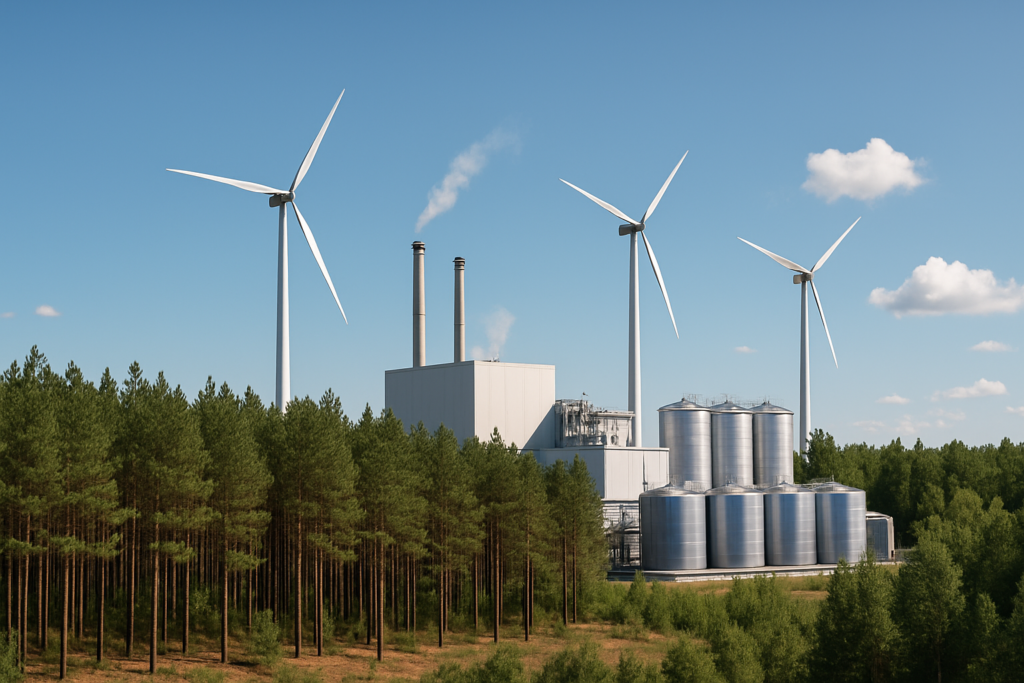
Sustainability is no longer just a buzzword—it’s an essential component of modern manufacturing across all industries, including the pine chemical industry. With increasing concerns over environmental impacts, resource depletion, and climate change, manufacturers are looking for innovative ways to produce pine chemicals in more eco-friendly, efficient, and sustainable ways. In this blog post, we will explore key sustainable manufacturing practices in the pine chemical industry, their benefits, and how businesses can implement them to meet the growing demand for environmentally responsible products.
What is the Pine Chemical Industry?
The pine chemical industry focuses on the production of chemicals derived from pine trees, particularly through the distillation of pine resin. Key products include gum rosin, pine terpenes, camphor, paraffin wax, and pine oil, which are widely used in industries such as adhesives, paints, cosmetics, food packaging, and pharmaceuticals.
Historically, this industry has faced challenges in terms of its environmental impact, primarily due to resource extraction methods and the energy-intensive processes involved in manufacturing these chemicals. However, with rising consumer awareness and regulatory pressures, sustainable practices are becoming more integral to the industry’s future.
1. Resource Efficiency: Using Renewable Raw Materials
Renewable Source of Pine Resin
One of the most important aspects of sustainability in the pine chemical industry is the renewable sourcing of pine resin. Pine trees, the primary source of resin, are a renewable resource, but the way they are harvested and managed plays a significant role in determining the environmental footprint of the entire industry.
- Best Practice: Many companies in the pine chemical industry are adopting sustainable forestry management practices. This includes selective harvesting, reforestation programs, and ensuring that forests are managed in a way that maintains biodiversity and reduces carbon emissions.
Example:
- Companies like SVD PineChem have made strides in carbon-neutral manufacturing by sourcing pine resin from forests that practice sustainable harvesting. By focusing on certified sustainable forestry such as FSC (Forest Stewardship Council), they ensure that the raw materials used in production are sourced responsibly.
Waste Minimization and By-Product Utilization
The efficient use of raw materials means minimizing waste in production processes. In the pine chemical industry, there are opportunities to reduce waste by converting by-products into valuable materials, further enhancing sustainability.
- Best Practice: Many manufacturers are turning to circular economy models. For example, the waste produced during the distillation process of pine resin can be repurposed to create new products like biofuels or bioplastics.
Example:
- A company like Georgia-Pacific Chemicals has developed processes where the by-products of pine chemical production, such as terpenes, are turned into eco-friendly products like bio-based solvents. This not only reduces waste but also contributes to a more sustainable product line.
2. Energy Efficiency and Clean Energy Adoption
Reducing Carbon Footprint with Cleaner Energy
The pine chemical manufacturing process is energy-intensive, especially when distilling pine resin to produce products like gum rosin and terpenes. As a result, reducing energy consumption and shifting toward renewable energy sources is a significant way for the industry to become more sustainable.
- Best Practice: The most progressive companies in the industry are transitioning to solar power, wind energy, and biomass to power their operations. These clean energy sources help reduce greenhouse gas emissions and align with global efforts to combat climate change.
Example:
- Kraton Polymers, a leading producer of pine-based chemicals, has made major strides in integrating solar energy systems in their production plants. By using solar panels to power certain manufacturing processes, the company has drastically reduced its carbon footprint.
Implementing Energy-Efficient Technologies
In addition to clean energy adoption, many companies are adopting energy-efficient technologies, such as heat recovery systems and low-energy extraction techniques. These methods minimize the energy needed to produce high-quality pine chemicals and reduce the overall environmental impact.
Example:
- Some manufacturers in the pine chemical sector are using supercritical CO2 extraction, a low-energy alternative to traditional distillation, to produce pine terpenes. This technique uses less energy and produces fewer greenhouse gas emissions, making it a more sustainable option for terpene production.
3. Water Conservation and Responsible Water Usage
Efficient Water Management Systems
Water is an essential resource in many manufacturing processes, including the production of pine chemicals. However, inefficient water use and wastewater discharge can harm the environment. Implementing water conservation practices and improving water efficiency is key to sustainability in the industry.
- Best Practice: Many companies are investing in closed-loop water systems, where water used in the manufacturing process is recycled and reused, minimizing the need for freshwater and reducing wastewater discharge.
Example:
- Däster Inc., a company specializing in pine chemicals, has implemented an advanced water treatment plant that purifies and recycles water used in their production processes, ensuring minimal environmental impact. By closing the water loop, the company significantly reduces water wastage.
4. Reducing Chemical and Toxic Emissions
Adopting Non-Toxic, Eco-Friendly Formulations
In the quest for sustainability, reducing the use of toxic chemicals and minimizing emissions from chemical processes are essential goals. Many manufacturers in the pine chemical industry are now focusing on producing low-emission products and eco-friendly formulations.
- Best Practice: A significant trend is the adoption of green chemistry principles, which involve designing products and processes that reduce or eliminate the use and generation of hazardous substances.
Example:
- Pinova Inc., a manufacturer of pine chemicals, has pioneered the development of green, non-toxic alternatives to traditional chemical solvents. Their products, such as pine-based resins, are designed to be safer for both workers and the environment, contributing to the overall sustainability of the industry.
5. Sustainable Packaging and Supply Chain Practices
Eco-Friendly Packaging
Sustainable packaging is another area where the pine chemical industry is improving. The shift towards biodegradable and recyclable packaging is essential to reduce the environmental impact of packaging waste. Many companies are adopting sustainable packaging solutions for their pine chemical products.
- Best Practice: Companies are increasingly turning to paper-based or compostable materials instead of plastic. Additionally, they are improving the design of their products to use minimal packaging without compromising product quality.
Example:
- ResinTech, a leader in pine chemical production, has switched to compostable bags and cardboard containers for packaging their products, reducing their reliance on plastic and improving the sustainability of their packaging.
Conclusion
Sustainability in the pine chemical industry is essential to meet both consumer demand for eco-friendly products and the regulatory pressures from governments worldwide. By adopting practices like renewable sourcing, energy-efficient technologies, water conservation, non-toxic formulations, and sustainable packaging, manufacturers can reduce their environmental impact while enhancing their competitiveness in the market.
Key Takeaways:
- The pine chemical industry is embracing sustainable practices to reduce its environmental footprint.
- Energy efficiency, water conservation, and waste minimization are critical to achieving sustainability in manufacturing.
- Companies adopting green chemistry and eco-friendly packaging are setting new standards in the industry.
As the demand for sustainable solutions continues to rise, the pine chemical industry must remain committed to innovation, transparency, and continuous improvement to create a more sustainable and eco-friendly future.
