

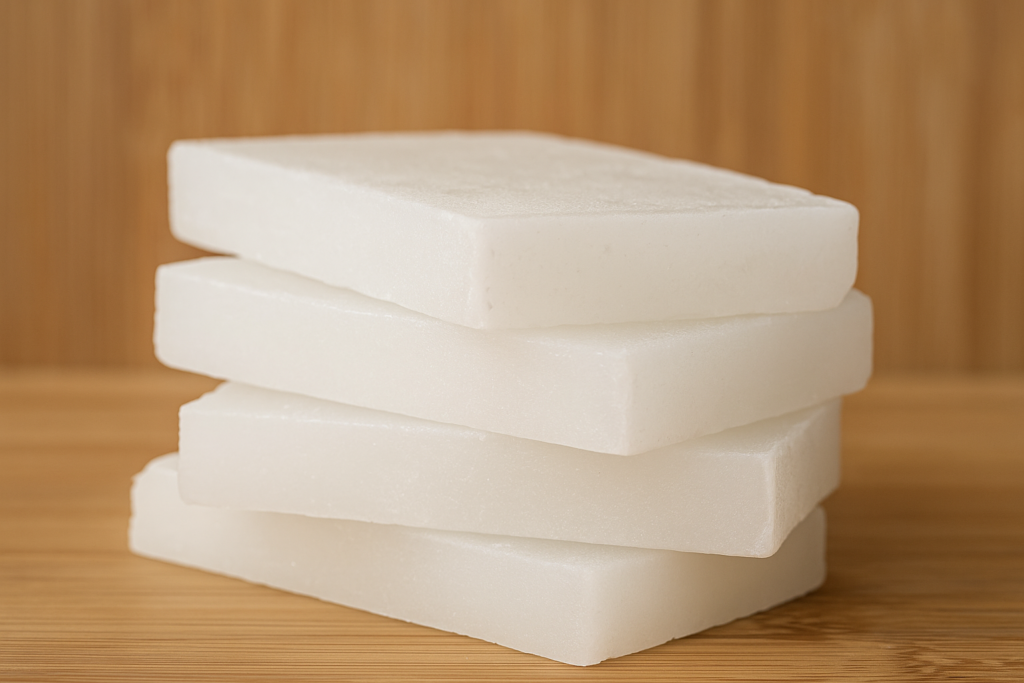
Paraffin wax, a versatile and essential material, plays a critical role in various industries, contributing to product quality, performance, and cost-efficiency. This naturally occurring substance, derived from petroleum, has been used for centuries and continues to be a foundational element in modern manufacturing. In this blog post, we will explore the paraffin wax benefits in modern manufacturing, examining its diverse applications and the reasons behind its widespread use across industries like cosmetics, food packaging, pharmaceuticals, and more.
What is Paraffin Wax?
Paraffin wax is a soft, colorless, odorless wax that is derived from petroleum. It is composed primarily of saturated hydrocarbons, which give it its distinctive properties, such as its low melting point and ability to act as a barrier to moisture. Due to its stability, non-reactivity, and versatility, paraffin wax has found uses in a wide range of applications, from personal care products to industrial processes.
1. Paraffin Wax in the Cosmetics and Personal Care Industry
Skin Care and Therapeutic Applications
One of the primary paraffin wax benefits is its widespread use in skin care products. Paraffin wax is used as a base ingredient in a variety of moisturizers, lotions, and therapeutic wax treatments. Its ability to lock in moisture and form a protective barrier on the skin makes it ideal for hydrating dry skin and soothing ailments such as arthritis and muscle pain.
- Example: Paraffin wax treatments are commonly used in salons and spas, where warm paraffin wax is applied to the hands or feet. The heat opens pores and enhances absorption of moisturizers, while the wax itself helps to create a barrier that locks in moisture.
Formulation of Candles and Fragrance Products
Paraffin wax is also the main ingredient in the production of candles. Its low melting point allows for easy molding into various shapes, and it holds fragrance well, making it a popular choice for creating scented candles. In addition, paraffin wax provides a consistent burn and produces a clean flame, making it ideal for both decorative and functional candles.
- Example: Many high-quality candles, including luxury and aromatherapy candles, rely on paraffin wax to provide a smooth burn and long-lasting fragrance.
2. Paraffin Wax in Food Packaging and Preservation
Moisture Barrier for Packaging
Another significant use of paraffin wax is in food packaging. The wax’s moisture-resistant properties make it an ideal choice for coating food packaging materials, such as paper and cardboard. It helps to maintain the freshness of food products by acting as a barrier to moisture, air, and other environmental factors that can degrade food quality.
- Example: Cheese and fruits are often packaged with paraffin-coated paper to extend shelf life by preventing the product from drying out and preserving its taste and texture.
Coating for Fruit and Vegetables
Paraffin wax is also used in the coating of fruits and vegetables. This helps preserve the freshness of produce during storage and transportation by sealing in moisture and preventing spoilage. The coating acts as a protective barrier against bacteria and fungi, prolonging the product’s shelf life.
- Example: Apples and citrus fruits are commonly coated with paraffin wax to maintain their freshness for longer periods, particularly during shipping.
3. Paraffin Wax in Pharmaceuticals and Healthcare
Coating for Tablets and Pills
In the pharmaceutical industry, paraffin wax is used as a coating for tablets and capsules. Its non-toxic and chemically inert nature makes it an ideal choice for encapsulating drugs. The wax helps control the release of the active ingredient, ensuring that it is delivered to the correct part of the digestive system at the right time.
- Example: Many over-the-counter pain relief tablets and vitamin supplements are coated with a thin layer of paraffin wax to facilitate controlled release, improving efficacy and reducing irritation in the digestive tract.
Paraffin Wax for Medical Treatments
Paraffin wax is also used in thermal therapy treatments. Its ability to retain heat for extended periods makes it an excellent material for soothing sore muscles, relieving joint stiffness, and promoting circulation. These treatments are common for patients with conditions like arthritis or those recovering from injuries.
- Example: Paraffin wax baths are commonly used by physical therapists to relieve pain and stiffness in patients with rheumatoid arthritis or joint disorders.
4. Paraffin Wax in Industrial Applications
Lubricant and Coating Agent
In industrial applications, paraffin wax is used as a lubricant for machinery parts, particularly in situations where dry lubrication is required. Its ability to reduce friction and wear makes it an essential part of manufacturing processes in industries such as automotive, textiles, and printing.
- Example: In the textile industry, paraffin wax is used to coat yarns and threads, making them smoother and easier to process in textile machinery. This reduces friction and prevents damage to the fabric during manufacturing.
Use in Mold Release Agents
Another crucial application of paraffin wax in manufacturing is as a mold release agent. It is used in the production of items that require casting or molding, such as concrete, rubber, and plastics. The wax helps to ensure that the molded product can be easily removed from the mold without sticking.
- Example: Concrete manufacturers often use paraffin wax as a mold release agent to facilitate the easy removal of concrete molds and to ensure smooth finishes on cast concrete products.
5. Paraffin Wax as a Sustainable Solution
Biodegradable and Eco-Friendly Alternatives
As industries move toward sustainability, paraffin wax offers a relatively eco-friendly option, especially when compared to synthetic materials. It is biodegradable and can be sourced sustainably, especially when companies adopt more responsible practices in its extraction and production.
- Best Practice: Some manufacturers in the paraffin wax industry are now working to create products that use bio-based paraffin wax derived from renewable resources. This helps reduce reliance on petroleum-based sources and promotes a circular economy.
- Example: Companies like Kraton Polymers are developing bio-based waxes derived from renewable feedstocks, offering a sustainable alternative to traditional petroleum-derived paraffin wax.
Conclusion
The benefits of paraffin wax in modern manufacturing are vast and varied, contributing to industries ranging from cosmetics and food packaging to pharmaceuticals and industrial manufacturing. Its versatile properties, such as low melting point, moisture resistance, and ability to enhance product performance, make it an indispensable material across many sectors. As sustainability becomes a central focus in modern manufacturing, paraffin wax continues to evolve, offering both traditional and innovative solutions to meet the growing demand for eco-friendly and high-performance products.
Key Takeaways:
- Paraffin wax plays a critical role in cosmetics, pharmaceuticals, food packaging, and industrial applications.
- It provides moisture resistance, controlled release in drug formulations, and lubrication in manufacturing processes.
- Sustainable sourcing of paraffin wax is emerging as an important trend, with bio-based alternatives gaining traction.
With its diverse applications and evolving sustainability efforts, paraffin wax remains a vital component in modern manufacturing processes, contributing to the development of innovative and high-quality products across various industries.
