

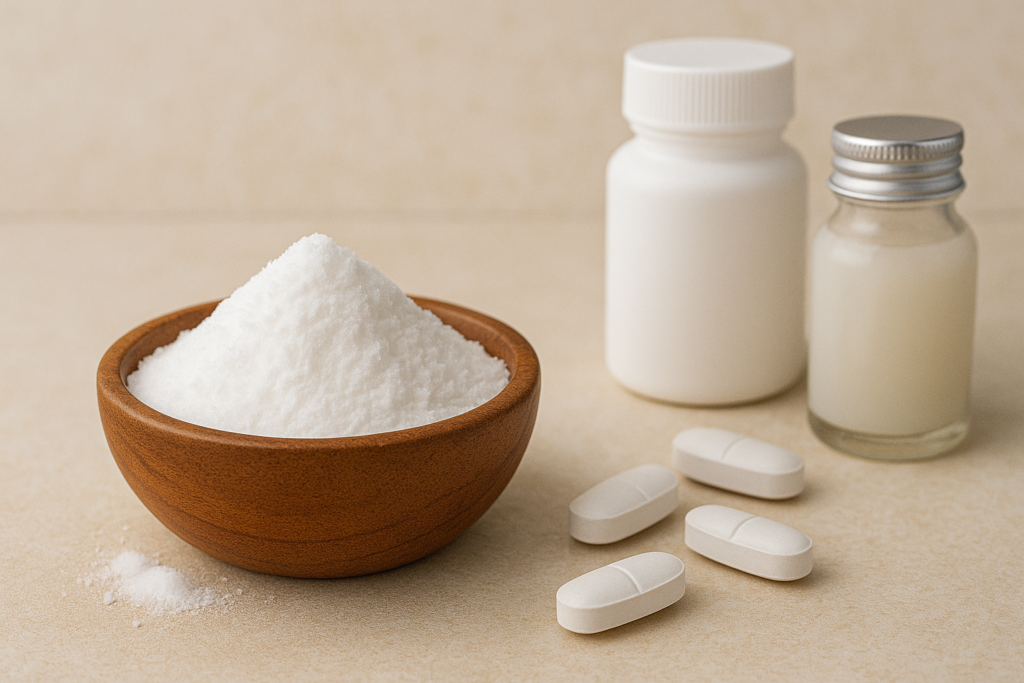
Camphor powder in pharmaceuticals represents one of the most versatile and time-tested active pharmaceutical ingredients (APIs) used in topical formulations worldwide, offering analgesic, antimicrobial, anti-inflammatory, and counterirritant therapeutic properties. The global pharma-grade synthetic camphor market commands a 73% share in topical formulation segments in 2025, with the compound camphor ointment market alone valued at USD 2.67 billion and projected to reach USD 3.23 billion by 2029, growing at 4.9% CAGR. At SVD PineChem, we specialize in supplying premium Indian Pharmacopoeia (IP) grade camphor powder to pharmaceutical manufacturers, contract research organizations, and API formulators who demand consistent quality, rigorous testing, and complete regulatory documentation for both domestic and international markets.
India’s camphor market demonstrated remarkable growth momentum with a significant surge between 2023 and 2024, driven by increasing demand in pharmaceuticals, personal care products, and growing awareness of camphor’s benefits in traditional medicine and aromatherapy. The pharmaceutical application segment continues expanding as healthcare providers and patients seek effective non-opioid pain relief options and natural-inspired analgesic solutions for treating arthritis, muscular pain, backaches, sprains, and minor injuries. SVD PineChem has served India’s pharmaceutical industry for over four decades, establishing our reputation through meticulous quality control, adherence to IP standards, and technical expertise that supports formulators in developing compliant, efficacious, and market-competitive topical pharmaceutical products.
What Are the Primary Pharmaceutical Applications of Camphor Powder?
Camphor powder in pharmaceuticals finds extensive application across multiple therapeutic categories, primarily in topical formulations designed for pain relief and dermatological treatment. The compound is incorporated into ointments, liniments, creams, patches, balms, and gels that provide effective pain relief, muscle relaxation, anti-inflammatory effects, and cooling sensations for conditions such as arthritis, muscular rheumatism, joint inflammation, backaches, sprains, and minor injuries. Topical applications dominate the pharmaceutical camphor market with 73% share in 2025, leveraging camphor’s ability to penetrate skin and act as a counterirritant that stimulates blood flow while reducing pain and inflammation.
Respiratory applications constitute another significant pharmaceutical use category, with camphor incorporated into inhalation formulations, vapor rubs, and steam therapy products designed to suppress coughing and alleviate cold symptoms. The compound’s antiseptic and antipruritic properties expand its therapeutic utility to treating skin irritations, eczema, rashes, and insect bites, enhancing versatility in dermatological pharmaceutical products. At SVD PineChem, we supply pharmaceutical-grade camphor powder that meets stringent Indian Pharmacopoeia specifications, ensuring ≥99% purity (measured as total ketones by GLC), melting point 175-177°C, and freedom from impurities that could compromise formulation efficacy or patient safety.
How Does Camphor Powder Work as a Therapeutic Agent in Pharmaceutical Formulations?
Camphor powder in pharmaceuticals exerts analgesic action through multiple mechanisms when applied topically to skin and mucous membranes. The compound acts as an irritant rubefacient that induces local hyperemia (increased blood flow) and produces feelings of comfort, warmth, and subsequent cooling sensations. Camphor excites and desensitizes sensory nerves by activating heat-sensitive transient receptor potential (TRP) vanilloid subtype 1 (TRPV1) and TRPV3 receptors, creating a counterirritant effect where milder superficial skin stimulation masks deeper visceral pain originating from the same segmented central nervous system level.
The antimicrobial properties of camphor powder contribute additional therapeutic value in pharmaceutical formulations. Research demonstrates that camphor exhibits potent antibacterial activity against various pathogenic bacteria including Streptococcus mutans, Enterococcus faecalis, Staphylococcus aureus, Pseudomonas aeruginosa, Listeria monocytogenes, and Escherichia coli. Studies reveal that camphor nanogels at 2500 µg/mL exhibit complete growth inhibition against E. coli and L. monocytogenes, while lower concentrations effectively suppress P. aeruginosa and S. aureus. The antimicrobial mechanism involves reduction of pH gradients, destabilization of bacterial cell membrane double-layer structures, and interaction with membrane-bound enzymes and proteins critical for bacterial survival.
What Quality Standards Must Camphor Powder Meet for Pharmaceutical Use?
Camphor powder in pharmaceuticals must conform to rigorous Indian Pharmacopoeia (IP) Grade specifications that establish quality, purity, and safety requirements for medicinal substances used in India and recognized internationally. The IP Grade designation ensures that camphor powder undergoes meticulous processing and purification methods including steam distillation of Cinnamomum camphora wood followed by sublimation and crystallization to produce high-grade crystals subsequently ground into uniform powder. Key quality parameters mandated by IP standards include:
- Purity Requirements: Minimum 95.0% total ketones by gas-liquid chromatography (GLC), ensuring high camphor content
- Physical Characteristics: White crystalline powder with characteristic penetrating odor and pungent aromatic taste followed by cooling sensation
- Melting Range: Melting point 175-177°C, verifying chemical identity and purity
- Solubility Profile: Soluble in alcohol and ether; 10% w/v solution in light petroleum ether must be clear
- Non-Volatile Matter: Maximum 0.05%, confirming absence of significant impurities or adulterants
- Water Content: Meets specified limits to ensure product stability and prevent microbial contamination
At SVD PineChem, our quality control protocols exceed basic pharmacopoeial requirements, incorporating additional testing for heavy metals (arsenic, lead, mercury, cadmium, copper) and comprehensive microbial analysis to ensure pharmaceutical-grade camphor powder remains free from contaminants that could compromise patient safety or formulation stability.
Why Is Natural Camphor Preferred Over Synthetic Variants in Certain Pharmaceutical Applications?
Camphor powder in pharmaceuticals can be sourced from either natural botanical extraction (Cinnamomum camphora) or synthetic chemical production from turpentine oil or petroleum-based terpenes. Natural camphor obtained through traditional steam distillation preserves the complete phytochemical profile including trace terpenes and bioactive compounds that may contribute synergistic therapeutic effects beyond pure camphor molecule (C₁₀H₁₆O). Research indicates that natural camphor may act synergistically with other essential oil components possessing antimicrobial activity, potentially enhancing overall therapeutic efficacy in pharmaceutical formulations targeting antimicrobial action.
The Indian camphor market segments by source reveal growing demand for natural (plant-based) camphor alongside synthetic variants, with pharmaceutical manufacturers increasingly valuing botanical authenticity for products marketed as natural or traditional medicine-inspired. Natural camphor inherently complies with Ayurvedic Pharmacopoeia standards and traditional medicine definitions, simplifying regulatory documentation for pharmaceutical manufacturers serving markets where natural ingredient claims provide competitive advantages. However, synthetic camphor offers advantages including consistent chemical purity, reliable year-round availability, and cost efficiency that make it suitable for large-scale pharmaceutical manufacturing where molecular identity matters more than botanical origin.
What Are the Key Benefits of Using Pharmaceutical-Grade Camphor Powder in 2025?
Camphor powder in pharmaceuticals delivers multiple benefits that align with evolving healthcare trends emphasizing non-invasive pain management, natural-inspired formulations, and multi-functional active ingredients. The compound provides effective non-opioid pain relief at a time when healthcare systems globally seek alternatives to narcotic analgesics for managing moderate pain conditions. This positions camphor-based topical formulations favorably within pharmaceutical portfolios addressing the opioid crisis while maintaining patient satisfaction through proven analgesic efficacy.
The antimicrobial properties of camphor powder add value beyond primary analgesic indications, enabling development of multifunctional pharmaceutical products that simultaneously address pain relief and infection prevention in wound care, dermatological treatments, and post-injury recovery applications. Growing health consciousness and consumer preference for scientifically validated natural ingredients drive pharmaceutical innovation in formulation techniques and drug delivery systems that enhance camphor’s therapeutic performance. The expanding pharmaceutical sectors in India (projected 4.3% CAGR 2025-2035) and China (3.8% CAGR) create substantial growth opportunities for camphor-based pharmaceutical products addressing chronic diseases, respiratory disorders, and age-related musculoskeletal conditions.
How Should Pharmaceutical Manufacturers Source High-Quality Camphor Powder?
Camphor powder in pharmaceuticals requires careful supplier selection based on multiple quality, regulatory, and supply chain considerations. Pharmaceutical manufacturers should prioritize suppliers offering documented IP Grade certification with complete Certificate of Analysis (CoA) showing compliance with all pharmacopoeial specifications including purity (≥95% total ketones), melting point (175-177°C), and absence of non-volatile matter exceeding 0.05%. Supplier quality management systems should demonstrate Good Manufacturing Practice (GMP) compliance, validated analytical testing capabilities, and batch-to-batch consistency verified through statistical process control.
Regulatory documentation requirements extend beyond basic quality certificates to include safety data sheets (SDS), stability studies demonstrating shelf life under specified storage conditions, and heavy metal/microbial contamination testing that ensures pharmaceutical-grade material meets international standards for parenteral and topical drug products. Suppliers should provide complete traceability documentation verifying raw material origin, manufacturing process controls, and quality testing at multiple production stages from initial distillation through final powder milling and packaging. At SVD PineChem, we maintain comprehensive quality records, conduct third-party testing verification, and provide technical support helping pharmaceutical formulators optimize camphor powder dosage, solubility, and stability in specific topical formulation matrices including ointments, creams, gels, and patches.
What Regulatory Considerations Affect Pharmaceutical Camphor Powder Use in India?
Camphor powder in pharmaceuticals must comply with the Drugs and Cosmetics Act 1940 and Drugs and Cosmetics Rules 1945, which govern manufacturing, sale, and distribution of pharmaceutical substances in India. The Indian Pharmacopoeia published by the Indian Pharmacopoeia Commission serves as the official standard-setting authority, with IP specifications for camphor powder providing legally binding quality requirements for pharmaceutical manufacturers. Manufacturing facilities producing pharmaceutical formulations containing camphor must maintain valid drug manufacturing licenses issued by state drug control authorities and demonstrate compliance with Schedule M Good Manufacturing Practice requirements.
Product registration and labeling regulations require clear declaration of camphor content, appropriate dosage instructions, contraindications, and warnings regarding potential toxicity at high doses or with improper use. The Central Drugs Standard Control Organization (CDSCO) regulates new drug approvals and may require clinical trial data for innovative camphor-based formulations claiming novel therapeutic indications. Export-oriented pharmaceutical manufacturers must additionally comply with destination country requirements including US FDA regulations for over-the-counter (OTC) topical analgesics, European Medicines Agency (EMA) standards for herbal medicinal products, and importing country-specific registration procedures that may mandate additional stability testing or efficacy documentation.
Frequently Asked Questions About Camphor Powder in Pharmaceutical Applications
Q: What is the typical concentration range for camphor powder in topical pharmaceutical formulations?
A: Pharmaceutical topical formulations typically contain camphor at concentrations between 3% to 11% w/w, with most over-the-counter products using 4-5% for balms and ointments, and 10-11% for stronger analgesic preparations. Higher concentrations may be used in prescription formulations under medical supervision, though concentrations exceeding 11% raise toxicity concerns and require careful risk-benefit evaluation.
Q: Can pharmaceutical-grade camphor powder be used in oral formulations?
A: While camphor has historical use in oral preparations, modern pharmaceutical practice primarily restricts it to topical and inhalation applications due to potential toxicity concerns with oral ingestion. The compound can cause severe adverse effects including seizures, hepatotoxicity, and respiratory depression when consumed orally at inappropriate doses. Oral use should only occur under strict medical supervision in carefully controlled therapeutic contexts.
Q: How should pharmaceutical manufacturers store camphor powder to maintain quality?
A: Store pharmaceutical-grade camphor powder in well-sealed, airtight containers in cool, dry conditions away from heat sources, sparks, and open flames, as camphor is classified as a flammable solid. Maintain storage temperatures below 30°C with relative humidity <65% to prevent moisture absorption and sublimation. Use first-in-first-out inventory rotation and conduct periodic quality verification testing to ensure stored material maintains pharmacopoeial specifications throughout its shelf life (typically 3-5 years under proper storage).
Q: What are the main differences between natural and synthetic pharmaceutical-grade camphor powder?
A: Both natural (derived from Cinnamomum camphora) and synthetic (produced from turpentine/pinene) camphor meet identical Indian Pharmacopoeia chemical specifications for purity and molecular identity. Natural camphor may contain trace phytochemicals contributing subtle therapeutic differences, while synthetic camphor offers superior batch-to-batch consistency and year-round availability. Choice depends on formulation requirements, regulatory positioning (natural claims), and cost considerations.
Q: Does camphor powder interact with other common pharmaceutical excipients?
A: Camphor powder demonstrates good compatibility with most pharmaceutical excipients used in topical formulations including petrolatum, mineral oil, lanolin, emulsifying waxes, and water-soluble bases. However, formulation development should include compatibility studies verifying chemical stability, physical appearance, and therapeutic efficacy over intended shelf life. Camphor’s lipophilic nature requires appropriate solubilization strategies in water-based formulations, often using surfactants or co-solvents to ensure uniform distribution.
Q: What documentation should pharmaceutical manufacturers request from camphor powder suppliers?
A: Request comprehensive documentation including Certificate of Analysis (CoA) confirming IP Grade specifications (≥95% total ketones, melting point 175-177°C, max 0.05% non-volatile matter), Drug Manufacturing License/GMP certificate, heavy metal test results meeting ICH Q3D limits, microbial contamination testing (total bacterial count, yeast/mold, absence of specified pathogens), stability data supporting claimed shelf life, regulatory status letter confirming suitability for pharmaceutical use, and batch manufacturing records demonstrating consistent quality control.
