

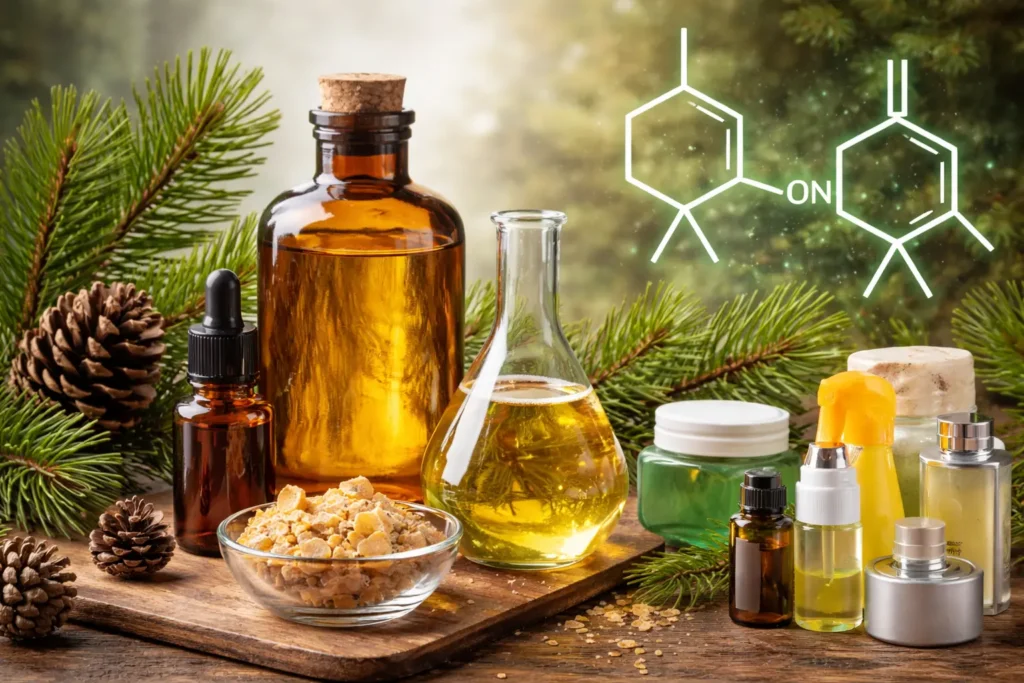
Pine terpenes represent one of nature’s most versatile and valuable chemical compounds, extracted from pine trees and widely used across numerous industries worldwide. These naturally occurring hydrocarbons have captured the attention of manufacturers, researchers, and sustainability-focused businesses in 2026 as demand for bio-based chemicals continues to surge. At SVD PineChem, we specialize in providing high-quality pine-derived terpenes that meet the rigorous standards of modern industrial applications while supporting the transition toward renewable raw materials.
The global terpene market has experienced remarkable growth, with projections indicating continued expansion through the remainder of the decade. Pine terpenes, in particular, have become increasingly valuable due to their availability, cost-effectiveness, and performance characteristics that rival synthetic alternatives in many applications. At SVD PineChem, our deep understanding of terpene chemistry and sustainable sourcing practices positions us as a trusted partner for businesses seeking reliable, environmentally responsible chemical solutions.
Understanding what pine terpenes are, how they’re produced, and where they’re applied is essential for manufacturers, formulators, and procurement professionals navigating today’s complex chemical landscape. This comprehensive guide explores the science, properties, and industrial applications of these remarkable natural compounds.
What Are Pine Terpenes and Where Do They Come From?
Pine terpenes are naturally occurring organic compounds produced by pine trees as part of their oleoresin-a sticky, aromatic substance that protects trees from pests and helps seal wounds. Chemically, terpenes are hydrocarbons built from isoprene units (C₅H₈), with different terpenes containing varying numbers of these building blocks. The most common pine terpenes include alpha-pinene, beta-pinene, limonene, and camphene, each with distinct molecular structures and properties.
The extraction of pine terpenes occurs primarily through two processes: gum turpentine distillation and sulfate turpentine recovery. Gum turpentine comes from tapping living pine trees and collecting their oleoresin, which is then distilled to separate the volatile terpene-rich turpentine oil from solid rosin. Sulfate turpentine is recovered as a byproduct during the kraft pulping process in paper manufacturing, making it an example of industrial upcycling.
Pine terpenes exist as complex mixtures in their natural state, with composition varying based on pine species, geographic origin, and extraction method. Pinus species across North America, Europe, and Asia each produce slightly different terpene profiles. This natural variation is important for manufacturers to understand, as it can influence product performance in specific applications. Modern fractionation techniques allow producers like SVD PineChem to isolate specific terpenes or create standardized blends that meet precise customer specifications.
How Are Pine Terpenes Produced and Processed?
The production journey for pine terpenes begins in the forest, where sustainable harvesting practices ensure long-term resource availability. For gum turpentine, trained tappers make careful incisions in mature pine tree bark, collecting the exuding oleoresin in containers attached to the trees. This traditional practice, when done properly, doesn’t harm the trees and can continue for decades from the same pines.
Once collected, crude turpentine undergoes distillation at controlled temperatures to separate terpenes from heavier rosin components. The distillation process typically yields turpentine oil containing 60-70% alpha-pinene and beta-pinene, along with other terpenes in smaller quantities. This crude turpentine oil can be used directly in many applications or further refined through fractional distillation to isolate individual terpene compounds.
Sulfate turpentine production follows a different path, emerging from the chemical recovery processes in kraft pulp mills. During wood chip digestion with sodium sulfide and sodium hydroxide, volatile terpenes are released and collected through condensation systems. While sulfate turpentine requires additional purification to remove sulfur compounds, modern refining technologies produce high-quality terpene products comparable to gum-derived materials.
Pine terpenes can also undergo chemical modification to create derivative products with enhanced properties. Polymerization, hydrogenation, and oxidation reactions transform base terpenes into valuable materials like polyterpene resins, terpene phenolic resins, and oxygenated terpene derivatives. These modifications expand the application possibilities significantly, allowing manufacturers to optimize terpene-based materials for specific performance requirements.
What Are the Key Chemical Properties of Pine Terpenes?
Pine terpenes exhibit several characteristic properties that make them valuable in industrial applications. As volatile organic compounds, they have relatively low boiling points (typically between 150-180°C) and readily evaporate at room temperature, contributing to their characteristic pine scent. This volatility makes them excellent solvents and cleaning agents, while also requiring proper storage in sealed containers to prevent loss.
The chemical reactivity of pine terpenes stems from their carbon-carbon double bonds, which participate in various reactions including polymerization, oxidation, and addition reactions. Alpha-pinene and beta-pinene, the predominant components in most pine terpenes, each contain one double bond that can be modified chemically. This reactivity enables the synthesis of numerous derivative products while also meaning that terpenes can degrade over time through oxidation if not properly stored.
Pine terpenes are hydrophobic (water-repelling) and lipophilic (fat-loving), making them excellent solvents for oils, fats, waxes, and many synthetic polymers. They dissolve readily in alcohols, ethers, and other organic solvents but remain virtually insoluble in water. This solubility profile proves advantageous in formulations requiring gentle yet effective degreasing or in applications where water sensitivity is important.
The density of pine terpenes (approximately 0.86 g/mL) is slightly less than water, and they typically appear as clear to pale yellow liquids with the characteristic fresh pine aroma. Their refractive index, optical rotation, and other physical properties vary slightly depending on terpene composition, providing quality control parameters that manufacturers use to verify product specifications.
Why Are Pine Terpenes Important in 2026?
Pine terpenes have gained unprecedented importance in 2026 as industries worldwide accelerate their transition from petroleum-based chemicals to renewable, bio-based alternatives. Environmental regulations, corporate sustainability commitments, and consumer preferences increasingly favor natural ingredients, positioning pine terpenes as strategic raw materials for forward-thinking manufacturers.
Environmental Advantages: Pine terpenes represent truly renewable chemistry-pine trees regenerate their terpene-rich oleoresin continuously, and sustainable forestry practices ensure long-term resource availability. Unlike petroleum-derived solvents and chemicals, pine terpenes have significantly lower carbon footprints and biodegrade readily in the environment. These characteristics align with circular economy principles and help companies meet increasingly stringent environmental targets.
Regulatory Compliance: Stricter regulations on volatile organic compounds (VOCs) and hazardous air pollutants have made traditional petroleum solvents less attractive or even prohibited in certain applications. Pine terpenes, while still classified as VOCs, are generally viewed more favorably by regulators due to their natural origin and lower toxicity profiles. Many jurisdictions offer regulatory advantages for bio-based chemicals, creating commercial incentives for terpene adoption.
Performance Benefits: Modern understanding of terpene chemistry has revealed that these natural compounds often match or exceed synthetic alternatives in performance. Pine terpenes demonstrate excellent solvency for a wide range of materials, effective cleaning properties, and valuable functionality as chemical intermediates. Their pleasant natural aroma also provides sensory advantages in consumer-facing products compared to harsh-smelling petroleum solvents.
Supply Chain Resilience: Diversifying chemical feedstocks reduces dependence on fossil fuel markets and their associated price volatility. Pine terpene supply chains, tied to forestry and pulp industries, offer different risk profiles that can stabilize raw material costs. At SVD PineChem, we’ve seen growing interest from manufacturers seeking to “naturalize” their supply chains while maintaining reliable access to essential chemical building blocks.
What Are the Main Industrial Applications of Pine Terpenes?
Cleaning and Degreasing Products: Pine terpenes excel as natural solvents in household cleaners, industrial degreasers, and specialty cleaning formulations. Their ability to dissolve oils, greases, adhesives, and many organic compounds makes them effective alternatives to mineral spirits, d-limonene from citrus, and synthetic solvents. The fresh pine scent adds sensory appeal to cleaning products while signaling “natural” credentials to consumers.
Fragrances and Flavors: The aromatic properties of pine terpenes make them valuable in perfumery and flavor applications. While less common than citrus terpenes in food flavoring, pine terpenes contribute to outdoor-themed fragrances, masculine cologne bases, and household product scent profiles. Modified terpenes also serve as precursors for synthetic aromatic compounds used throughout the fragrance industry.
Adhesives and Sealants: Pine terpenes function as reactive diluents and tackifiers in various adhesive formulations. Polyterpene resins, created by polymerizing pine terpenes, enhance tack and adhesion in hot-melt adhesives, pressure-sensitive adhesives, and construction mastics. Their compatibility with rosin derivatives and synthetic polymers makes them versatile components in adhesive chemistry.
Paints and Coatings: As solvents and resin modifiers, pine terpenes contribute to paint formulations seeking natural ingredient profiles. Terpene-based resins improve adhesion, gloss, and durability in various coating systems. The industry trend toward low-VOC and zero-VOC coatings has somewhat limited direct terpene use as solvents, but derivative resins remain important functional components.
Chemical Synthesis: Pine terpenes serve as renewable feedstocks for synthesizing numerous valuable chemicals. Alpha-pinene converts to camphor, synthetic pine oil, and various fragrances through chemical transformation. Beta-pinene yields linalool, geraniol, and other commercially important compounds. These synthetic pathways transform abundant, inexpensive terpenes into higher-value specialty chemicals.
Rubber and Polymer Industries: Polyterpene resins function as tackifying resins and processing aids in rubber compounding. They improve green strength (uncured rubber handling properties) and enhance tack in pressure-sensitive adhesive applications. The rubber industry has used terpene resins for decades, with ongoing research exploring new applications in specialty elastomers and thermoplastic compounds.
Personal Care and Cosmetics: Pine terpenes appear in various personal care formulations as solvents, fragrance components, and functional ingredients. Their antimicrobial properties contribute to preservation systems, while their solubilizing capabilities help incorporate oil-soluble actives into formulations. Regulatory acceptance in cosmetics varies by region, with formulators ensuring compliance with local regulations.
How Do Pine Terpenes Compare to Other Natural Terpenes?
Pine terpenes compete primarily with citrus-derived terpenes (especially d-limonene from orange peel oil) in the natural solvent and chemical intermediate markets. Each source offers distinct advantages-citrus terpenes typically provide stronger solvency and a more universally appealing aroma, while pine terpenes often offer better availability and price stability. The choice between them depends on application requirements, cost considerations, and supply chain preferences.
Compared to citrus terpenes, pine terpenes generally exhibit slightly lower solvency power but better chemical stability against oxidation. The structural differences between pinenes (bicyclic) and limonene (monocyclic) result in different reactivity patterns and polymerization behaviors. These distinctions matter for manufacturers developing terpene-based resins or chemical derivatives where specific molecular structures determine product performance.
Other natural terpene sources include various plant essential oils, each with unique terpene profiles. Eucalyptus oil contains eucalyptol (1,8-cineole), peppermint provides menthol, and many other plants produce specialized terpenes. However, pine and citrus sources dominate the bulk industrial terpene market due to their availability at scale and established supply chains. At SVD PineChem, we focus on pine-derived materials where consistent quality and reliable supply best serve our customers’ needs.
The economics of terpene sourcing significantly influence selection decisions. Pine terpenes benefit from well-established production infrastructure in major forestry regions, while citrus terpenes fluctuate with citrus juice industry dynamics. Understanding these supply chain fundamentals helps manufacturers make informed decisions that balance cost, performance, and supply security.
What Quality Factors Should You Consider When Sourcing Pine Terpenes?
Purity and Composition: Pine terpene quality varies based on alpha-pinene/beta-pinene ratios, total terpene content, and presence of oxygenated compounds or impurities. Applications requiring specific performance characteristics may need particular compositional profiles. Reputable suppliers provide detailed certificates of analysis documenting chemical composition, allowing customers to verify material meets specifications.
Color and Odor: Fresh, high-quality pine terpenes appear water-white to pale yellow with a clean, characteristic pine aroma. Darker colors or off-odors indicate oxidation or contamination, potentially affecting product performance and end-use quality. Visual and olfactory assessment provides quick initial quality screening, though laboratory analysis confirms chemical properties.
Moisture Content: Water content in pine terpenes should be minimal (typically <0.1%) as moisture can promote oxidation and affect chemical reactions. Effective distillation and proper storage minimize moisture pickup. Suppliers should specify maximum moisture levels and verify compliance through testing.
Stability and Storage: Pine terpenes can degrade through oxidation, polymerization, and other chemical reactions if improperly stored. Quality suppliers provide storage recommendations (typically sealed containers, cool temperatures, inert atmosphere for long-term storage) and shelf-life information. Understanding stability limitations helps maintain product quality throughout the supply chain.
Traceability and Sustainability: In 2026, sourcing transparency has become a critical quality factor beyond chemical specifications. Customers increasingly request documentation of sustainable sourcing, forest certifications, and supply chain traceability. Working with suppliers like SVD PineChem who prioritize these factors ensures alignment with corporate responsibility commitments while supporting ethical forestry practices.
What Does the Future Hold for Pine Terpenes?
The outlook for pine terpenes remains exceptionally promising as multiple trends converge to drive demand growth. Advancing green chemistry initiatives, stricter environmental regulations, and expanding bio-based chemical applications all favor renewable materials like pine terpenes. Research continues uncovering new applications and improved processing methods that enhance terpene value propositions across industries.
Innovation in terpene chemistry focuses on developing novel derivative products with enhanced performance characteristics. Researchers are exploring advanced polymerization techniques, selective oxidations, and biotransformation pathways that convert simple terpenes into sophisticated materials. These innovations expand addressable markets beyond traditional applications, potentially positioning terpenes as platform chemicals for diverse synthetic routes.
Supply chain developments also shape the terpene future. Investments in sustainable forestry, improved collection systems, and advanced processing facilities aim to increase availability while maintaining environmental stewardship. Emerging producing regions may alter global supply dynamics, potentially improving availability and price stability for industrial consumers.
The intersection of digital technology and traditional forestry industries promises to optimize terpene production. Precision forestry, improved yield forecasting, and enhanced quality control systems leveraging analytical chemistry and data science will likely improve supply chain efficiency and product consistency. These technological advances benefit both producers and consumers throughout the value chain.
Conclusion: Pine Terpenes as Essential Renewable Chemicals
Pine terpenes stand at the forefront of the renewable chemicals revolution, offering industries sustainable alternatives to petroleum-based materials without compromising performance. Their versatility spans from commodity solvents to specialty chemical intermediates, with established applications across cleaning products, adhesives, coatings, and chemical synthesis. As environmental consciousness and regulatory pressures intensify, pine terpenes’ importance will only grow in the coming years.
Understanding pine terpene properties, production methods, and application possibilities enables manufacturers to make informed decisions about incorporating these renewable materials into their products and processes. The technical performance, economic viability, and environmental benefits of pine terpenes create compelling value propositions that align with 21st-century business priorities.
At SVD PineChem, we’re committed to advancing pine terpene applications through quality products, technical support, and sustainable sourcing practices. Our expertise in pine-derived chemicals positions us to help businesses navigate the transition to renewable raw materials while maintaining the performance standards their markets demand. Whether you’re reformulating existing products with natural ingredients or developing innovative new applications, pine terpenes offer possibilities worth exploring.
The future of chemistry increasingly looks to nature for inspiration and raw materials, with pine terpenes representing one of the most accessible, versatile, and sustainable options available. Companies embracing these renewable building blocks today position themselves advantageously for tomorrow’s market demands while contributing to a more sustainable chemical industry.
Frequently Asked Questions (FAQ)
Q: What is the difference between alpha-pinene and beta-pinene?
A: Alpha-pinene and beta-pinene are isomers-they have the same molecular formula (C₁₀H₁₆) but different structural arrangements of atoms. Alpha-pinene has a bicyclic structure with its double bond in the ring system, while beta-pinene’s double bond is located differently, giving it slightly different chemical reactivity, boiling point, and applications. Most pine terpenes contain both isomers in varying ratios.
Q: Are pine terpenes safe for use in consumer products?
A: Pine terpenes are generally recognized as safe when used appropriately in consumer products, with long histories of safe use in cleaning products, fragrances, and industrial applications. However, like all chemicals, they require proper handling-they can cause skin or eye irritation in concentrated form and should not be ingested. Manufacturers must follow relevant safety regulations and provide appropriate product labeling for consumer protection.
Q: How do pine terpenes contribute to sustainability goals?
A: Pine terpenes are renewable resources derived from sustainably managed forests, offering significantly lower carbon footprints than petroleum-based alternatives. They biodegrade readily in the environment, reducing long-term ecological impact. Using pine terpenes helps companies reduce fossil fuel dependence, meet renewable content targets, and align with circular economy principles while maintaining product performance.
Q: Can pine terpenes replace petroleum solvents in all applications?
A: While pine terpenes effectively replace petroleum solvents in many applications (cleaning products, some coatings, adhesive formulations), they cannot universally substitute for all petroleum-based materials. Specific applications may require solvency characteristics, evaporation rates, or chemical properties that terpenes don’t provide. Successful substitution depends on careful evaluation of application requirements and, often, formulation adjustments to optimize terpene performance.
Q: What is the shelf life of pine terpenes?
A: When properly stored in sealed containers away from light and heat, pine terpenes typically maintain quality for 12-24 months. Oxidation is the primary degradation mechanism, leading to color darkening, odor changes, and formation of oxygenated compounds. Using antioxidant additives and inert atmosphere storage can extend shelf life significantly for applications requiring longer-term stability.
Q: How does climate change affect pine terpene availability?
A: Climate change presents both challenges and uncertainties for long-term pine terpene supply. Forest health, pine species distribution, and oleoresin production can be affected by changing temperature patterns, drought stress, and pest pressures. However, sustainable forest management practices, diversified sourcing regions, and ongoing research into climate-resilient forestry help mitigate supply risks. The renewable nature of pine resources still offers advantages over finite fossil fuel alternatives despite these considerations.
