

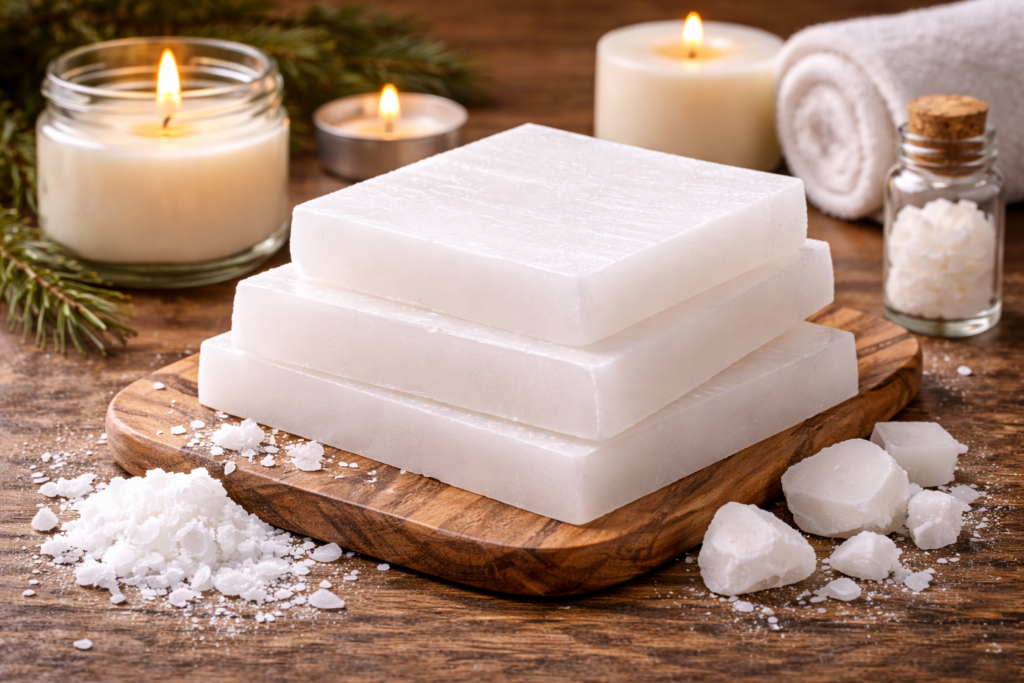
Paraffin wax is one of the most versatile and widely used materials in modern industry, serving applications ranging from candle making to pharmaceuticals, cosmetics to packaging, and food preservation to industrial manufacturing. This petroleum-derived hydrocarbon has become indispensable across countless sectors due to its unique properties, cost-effectiveness, and adaptability to diverse formulation requirements. At SVD PineChem, we understand the critical role that high-quality paraffin wax plays in our customers’ manufacturing processes, and we’re committed to supplying premium grades that meet the exacting standards of today’s competitive markets.
The global paraffin wax market in 2026 continues to demonstrate robust demand despite increasing competition from alternative waxes and ongoing sustainability discussions. Paraffin wax’s unmatched combination of performance characteristics, established supply chains, and economic advantages ensures its continued relevance across traditional and emerging applications. At SVD PineChem, our expertise in paraffin wax sourcing, quality control, and technical support helps businesses navigate the complexities of wax selection, ensuring optimal results in their specific applications.
Understanding what paraffin wax is, how it’s produced, and where it’s applied provides essential knowledge for manufacturers, formulators, and procurement professionals making decisions about raw materials. This comprehensive guide explores the science, properties, types, and applications of paraffin wax to deliver the authoritative information you need.
What Is Paraffin Wax and How Is It Made?
Paraffin wax is a white or colorless solid hydrocarbon mixture consisting primarily of saturated alkanes (straight-chain hydrocarbons) typically ranging from C₂₀ to C₄₀ carbon chain lengths. At room temperature, paraffin wax appears as a solid with a characteristic slightly translucent, crystalline structure. When heated, it melts into a clear, low-viscosity liquid, then solidifies again upon cooling—a reversible phase transition that makes it valuable for numerous applications.
The production of paraffin wax begins with crude oil refining, specifically during the processing of lubricating oil base stocks. During the refining process, waxy components that would cause lubricating oils to solidify at low temperatures are removed through a process called dewaxing. These separated waxy fractions undergo further refinement including solvent extraction, crystallization, filtration, and sometimes hydrotreatment to remove impurities and color.
Modern paraffin wax production employs several refining methods to achieve different quality grades. The traditional solvent dewaxing process uses organic solvents to separate wax crystals from oil, followed by filtration and purification. Catalytic dewaxing uses catalysts to selectively convert waxy molecules, producing higher-quality products. Hydrotreatment processes further refine wax by removing sulfur, nitrogen, and aromatic compounds, yielding highly pure, fully refined paraffin wax with excellent color and stability.
The degree of refinement determines paraffin wax classification into fully refined, semi-refined, or crude/slack wax categories. Fully refined paraffin wax undergoes complete purification, resulting in white, odorless material suitable for food contact, cosmetics, and pharmaceuticals. Semi-refined wax receives less intensive processing, retaining some color and odor, making it appropriate for industrial applications. Understanding these quality distinctions helps buyers select appropriate grades for their specific needs.
What Are the Key Properties of Paraffin Wax?
Paraffin wax exhibits several characteristic properties that define its performance across applications and distinguish it from other wax types. These properties can be tailored through refining processes and blending to meet specific application requirements.
Melting Point Range: Different paraffin wax grades melt at temperatures typically ranging from 46°C to 68°C (115°F to 154°F), with specialty grades extending beyond this range. The melting point is one of the most important specifications, as it determines application suitability—candles require specific melting ranges for proper burning, while coatings need melting points aligned with processing temperatures. At SVD PineChem, we supply paraffin wax across the full melting point spectrum to serve diverse customer needs.
Oil Content: The percentage of residual oil in paraffin wax affects its hardness, flexibility, and surface finish. Fully refined paraffin wax contains minimal oil (typically <0.5%), resulting in hard, brittle products with good surface finish. Higher oil content creates softer, more flexible waxes useful in applications requiring cushioning or adhesion properties. Oil content is carefully controlled during production to meet specification requirements.
Color and Clarity: Fully refined paraffin wax appears white to slightly off-white with good translucency when solid and complete clarity when melted. Color is measured using standard color scales (Saybolt or ASTM), with higher numbers indicating better color. Excellent color indicates thorough refining and removal of aromatic compounds, making the wax suitable for premium applications where appearance matters.
Penetration and Hardness: These related properties measure wax firmness and resistance to deformation. Harder waxes with low penetration values work well for applications requiring structural integrity, while softer waxes suit applications needing flexibility. Penetration is measured by standardized needle tests that quantify how deeply a weighted needle penetrates the wax under specific conditions.
Viscosity: When melted, paraffin wax flows as a low-viscosity liquid, facilitating processing operations like coating, dipping, or molding. Viscosity increases with molecular weight and decreases with temperature. Understanding viscosity behavior across temperature ranges helps optimize processing conditions for specific applications.
What Are the Different Types of Paraffin Wax?
Fully Refined Paraffin Wax: This premium grade undergoes complete refining processes to remove virtually all impurities, resulting in white, odorless wax with oil content below 0.5%. Fully refined paraffin wax meets the strictest quality standards for food contact materials, cosmetics, and pharmaceutical applications. It commands premium pricing but delivers superior performance in demanding applications where purity, color, and consistency are critical.
Semi-Refined Paraffin Wax: This intermediate grade receives partial refinement, retaining some color (typically yellow to light brown) and residual oil content of 1-3%. Semi-refined wax costs less than fully refined grades while offering adequate performance for many industrial applications including rubber compounding, matches, and certain coating applications. It represents a cost-effective choice when the highest purity isn’t required.
Scale Wax: Named for its characteristic flaky, scale-like physical form, scale wax is produced through specific crystallization processes. Its physical structure can offer processing advantages in certain applications, though chemically it’s similar to other paraffin wax types. Scale wax finds use in applications where its unique physical form facilitates handling and processing.
Slack Wax: This crude wax product contains high oil content (typically 5-30%) and receives minimal refining. Slack wax serves as a feedstock for further refining or finds direct use in applications tolerating high oil content and color, such as rubber processing, board sizing, and certain industrial applications. Its significantly lower cost makes it economical for bulk industrial uses.
Microcrystalline Wax: While technically distinct from paraffin wax due to its branched and cyclic hydrocarbon structure, microcrystalline wax is often discussed alongside paraffin. It has higher molecular weight, higher melting points, and forms finer crystals, making it valuable for applications requiring flexibility, adhesion, and higher melting points than regular paraffin provides.
What Are the Primary Applications of Paraffin Wax?
Candle Manufacturing: The largest consumer application for paraffin wax remains candle production, where it serves as the primary fuel source for votives, pillars, containers, and tapers. Paraffin wax’s clean burning characteristics, excellent scent throw (ability to diffuse fragrances), and cost-effectiveness make it the dominant choice in candle manufacturing. Different melting point ranges suit different candle types—container candles use softer waxes (melting at 46-52°C), while pillar candles require harder waxes (melting at 54-60°C).
Packaging and Coatings: Paraffin wax provides moisture barriers for paper and cardboard packaging, extending shelf life for food products and protecting materials during shipping. Wax-coated paper creates greaseproof and moisture-resistant packaging for cheese, baked goods, and various food items. Industrial coatings use paraffin wax to protect metal surfaces, provide release properties for molds, and create water-resistant finishes for wood and other materials.
Cosmetics and Personal Care: Fully refined paraffin wax appears in numerous cosmetic formulations including lipsticks, creams, lotions, and depilatory waxes. It contributes structure, emollient properties, and helps create stable emulsions. The pharmaceutical industry uses pharmaceutical-grade paraffin wax in ointments, salves, and controlled-release formulations. These applications demand the highest purity grades to ensure safety and regulatory compliance.
Food Industry: Food-grade paraffin wax serves multiple functions including coating fresh produce to reduce moisture loss, sealing jams and preserves, and coating cheese to prevent mold growth. It’s also approved as a release agent in food processing and appears in some food-contact applications. Strict regulatory oversight ensures only the purest, fully refined paraffin wax with appropriate certifications is used in food applications.
Rubber and Tire Manufacturing: The rubber industry uses paraffin wax as a processing aid and protective agent. In tire manufacturing, paraffin wax added to rubber compounds migrates to the surface, forming a protective layer that prevents ozone cracking and weather deterioration. This anti-ozonant function extends tire service life significantly, making paraffin wax an essential tire compound ingredient.
Adhesives and Sealants: Paraffin wax functions as a component in hot-melt adhesives, providing tack, flexibility, and cost reduction. It also appears in sealants for various industrial and construction applications. The wax’s melting properties allow solid adhesive sticks that melt for application, then quickly solidify to create bonds.
Industrial Applications: Numerous industrial processes utilize paraffin wax including investment casting (lost-wax process for metal parts), explosives manufacturing (as a binder and waterproofing agent), electrical insulation, match production, and crayon manufacturing. These diverse applications demonstrate paraffin wax’s versatility across manufacturing sectors.
Why Is Paraffin Wax Important in 2026?
Paraffin wax maintains its industrial importance in 2026 despite evolving market dynamics, sustainability pressures, and competition from alternative materials. Several factors ensure its continued relevance across traditional and emerging applications.
Economic Advantages: Paraffin wax remains one of the most cost-effective wax options available, particularly important in price-sensitive applications like candles and packaging. The mature, efficient production infrastructure and abundant raw material supply from petroleum refining keep paraffin wax competitively priced compared to alternatives like soy wax, beeswax, or synthetic waxes.
Performance Characteristics: Decades of use have optimized paraffin wax formulations for countless applications. Its performance characteristics—melting point range, hardness, clarity, and processing behavior—are well understood and reliably consistent. Many applications have been specifically developed around paraffin wax properties, making substitution complex and potentially expensive.
Supply Chain Maturity: The global paraffin wax supply chain is highly developed with established production, distribution, and quality control systems. This infrastructure provides supply security and quality consistency that emerging alternatives struggle to match. For manufacturers requiring reliable, consistent raw materials, paraffin wax offers proven supply chain advantages.
Regulatory Acceptance: Paraffin wax has extensive regulatory approval for food contact, cosmetic, and pharmaceutical applications across global markets. This regulatory acceptance represents decades of safety evaluation and represents significant value. New alternative materials face lengthy, expensive regulatory approval processes, giving paraffin wax continued advantages in regulated applications.
Sustainability Evolution: While petroleum-derived, modern paraffin wax production increasingly incorporates sustainability considerations including improved energy efficiency, emissions reduction, and quality improvements that extend product life. Some producers are exploring bio-based paraffin alternatives and recycling programs. The industry recognizes sustainability imperatives while leveraging paraffin wax’s inherent advantages.
How Do You Choose the Right Paraffin Wax Grade?
Application Requirements: Start by clearly defining your application’s technical requirements including melting point range, hardness, oil content, and color specifications. Candle makers need specific melting points for proper burn characteristics, while cosmetic formulators require pharmaceutical-grade purity. Understanding your application’s critical parameters guides grade selection.
Regulatory Compliance: For food contact, cosmetic, or pharmaceutical applications, ensure selected paraffin wax grades meet relevant regulatory requirements including FDA approval (for US markets), EU regulations, or other jurisdiction-specific standards. Request appropriate certificates of compliance and regulatory documentation from suppliers.
Quality Consistency: Evaluate suppliers based on their ability to provide consistent quality across multiple shipments. Batch-to-batch variation can disrupt manufacturing processes and product quality. Reputable suppliers like SVD PineChem maintain rigorous quality control systems that ensure consistency, providing certificates of analysis documenting conformance to specifications.
Processing Compatibility: Consider how paraffin wax will integrate into your existing processing equipment and procedures. Melting points must align with process temperatures, viscosity should suit pumping and application methods, and physical form (pastilles, slabs, flakes) should facilitate handling. Discuss processing requirements with suppliers to ensure selected grades work effectively in your operations.
Cost vs. Performance Balance: While fully refined paraffin wax offers premium properties, semi-refined or even slack wax may suffice for some industrial applications at significant cost savings. Objectively assess whether premium properties justify higher costs for your specific application, or whether more economical grades deliver adequate performance.
What Quality Factors Should You Verify When Sourcing?
Analytical Documentation: Reputable suppliers provide certificates of analysis (COA) for each lot documenting key properties including melting point, oil content, color, penetration, and other relevant specifications. Review COAs to verify conformance with your requirements before accepting shipments. Consistent documentation demonstrates supplier quality commitment.
Physical Inspection: Upon receipt, visually inspect paraffin wax for color uniformity, absence of contamination, and appropriate physical form. Discoloration, foreign particles, or inconsistent appearance may indicate quality issues. While not definitive, visual inspection provides quick quality screening before committing to use.
Regulatory Certifications: For regulated applications, verify that suppliers provide appropriate regulatory documentation including food-grade certifications, cosmetic-grade approvals, or pharmaceutical-grade qualifications. These certifications should be current and from recognized regulatory bodies or certification organizations.
Supplier Reputation: Work with established suppliers with proven track records in paraffin wax distribution. At SVD PineChem, our long-standing relationships with quality producers, comprehensive testing capabilities, and commitment to customer support distinguish us in the market. Supplier reputation directly impacts your supply chain reliability and product quality.
Traceability: Quality suppliers maintain complete traceability from production source through distribution to delivery. This traceability becomes critical if quality issues arise, enabling rapid problem identification and resolution. It also supports regulatory compliance documentation for audited applications.
Conclusion: Paraffin Wax as a Foundational Industrial Material
Paraffin wax stands as one of the most important and versatile materials in modern manufacturing, with applications spanning from everyday consumer products like candles and cosmetics to specialized industrial processes and pharmaceutical formulations. Its unique combination of properties, cost-effectiveness, and proven performance ensures continued relevance despite evolving market dynamics and sustainability considerations.
Understanding paraffin wax types, properties, and applications enables informed selection decisions that optimize product performance while managing costs effectively. The key to successful paraffin wax use lies in matching appropriate grades to specific application requirements, working with reliable suppliers who provide consistent quality, and maintaining awareness of regulatory requirements for your intended uses.
At SVD PineChem, we bring decades of expertise in paraffin wax supply, technical support, and quality assurance to help our customers achieve their manufacturing objectives. Whether you’re formulating candles, developing cosmetics, designing packaging solutions, or serving industrial applications, our comprehensive product range and technical knowledge support your success. We understand that behind every wax specification lies a critical business need, and we’re committed to meeting those needs with excellence.
The future of paraffin wax in 2026 and beyond reflects a material that continues evolving to meet changing market demands while leveraging its fundamental advantages. As industries seek reliable, cost-effective, high-performance materials, paraffin wax remains an essential choice backed by proven chemistry, mature supply chains, and the technical support that companies like SVD PineChem provide. Contact us to learn how our paraffin wax products can support your specific applications and business objectives.
Frequently Asked Questions (FAQ)
Q: Is paraffin wax safe for use in candles and cosmetics?
A: Yes, properly refined paraffin wax is safe for use in candles, cosmetics, and even food applications when appropriate grades are used. Fully refined paraffin wax undergoes extensive purification to remove impurities and meets regulatory standards set by agencies like the FDA, EU regulatory bodies, and other international authorities. For cosmetic and food applications, always specify pharmaceutical or food-grade paraffin wax that meets relevant regulatory requirements.
Q: What is the difference between paraffin wax and soy wax?
A: Paraffin wax is petroleum-derived, while soy wax comes from hydrogenated soybean oil, making it plant-based. Paraffin typically offers better scent throw in candles, harder consistency, and lower cost. Soy wax appeals to consumers seeking natural, renewable ingredients and burns at lower temperatures. Each has advantages—the choice depends on application requirements, cost considerations, and market positioning.
Q: How long does paraffin wax last and how should it be stored?
A: Properly stored paraffin wax has an extremely long shelf life—essentially indefinite when protected from contamination and extreme conditions. Store paraffin wax in a cool, dry location away from strong odors (as wax can absorb odors), direct sunlight, and contamination sources. Keep containers sealed to prevent dust accumulation. Under appropriate storage conditions, paraffin wax maintains quality for years.
Q: Can paraffin wax be recycled or reused?
A: Yes, paraffin wax can be remelted and reused multiple times in many applications. Candle makers routinely reclaim wax from production waste, and industrial users may recycle process wax. However, contamination, degradation from repeated heating, and color changes may limit reuse cycles. Some applications require virgin wax for quality or regulatory reasons, while others readily accommodate recycled material.
Q: What melting point paraffin wax should I use for candles?
A: Candle type determines optimal melting point: container candles typically use 46-52°C (115-125°F) melting point wax for good adhesion and minimal shrinkage; pillar candles require 54-60°C (130-140°F) wax for structural integrity; and votives work well with 52-57°C (125-135°F) ranges. Blending different melting point waxes allows fine-tuning burn characteristics. Consult with suppliers like SVD PineChem for recommendations based on your specific candle type and performance goals.
Q: Is paraffin wax environmentally friendly?
A: As a petroleum-derived product, paraffin wax has environmental considerations including fossil fuel origin and non-biodegradability. However, it’s produced from refinery byproducts that would otherwise be less efficiently used, and modern production emphasizes energy efficiency and emissions control. Paraffin wax’s durability means products last longer, potentially offsetting production impacts. The environmental comparison with alternatives depends on many factors including production methods, transportation distances, and product lifespan. Companies increasingly consider lifecycle analyses when making material choices.
