

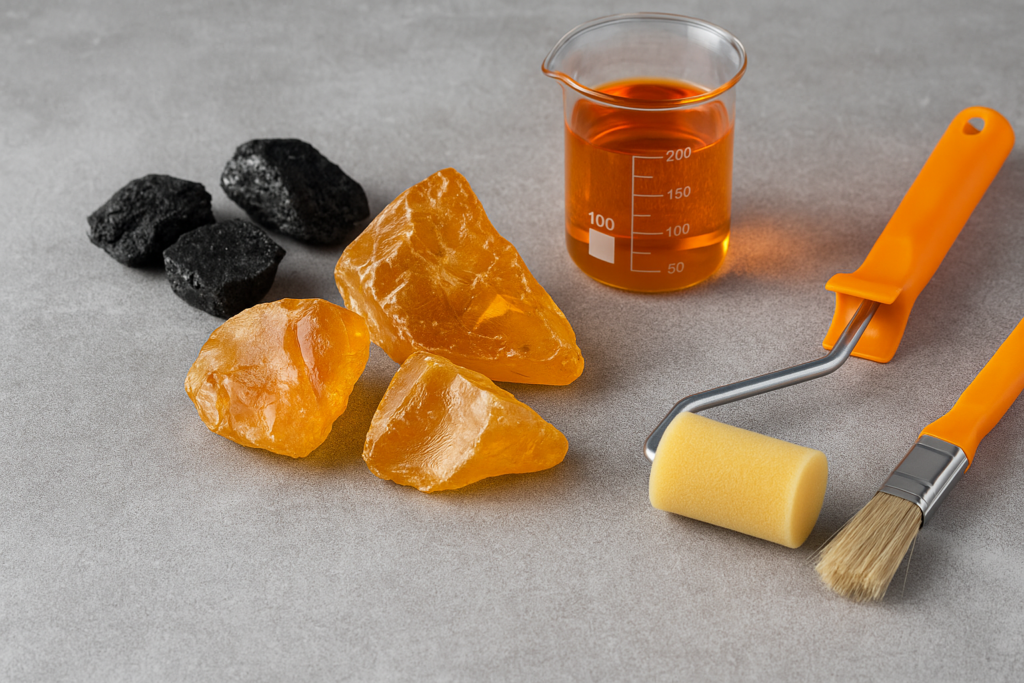
Gum rosin, a natural resin obtained from pine trees, has long been used across a variety of industrial applications due to its versatile properties. As industries continue to search for sustainable and cost-effective solutions, gum rosin remains a reliable raw material with a wide range of uses. This blog post will explore the benefits of gum rosin, including its applications in adhesives, paints, coatings, and more, while also highlighting how its unique characteristics make it a valuable asset in modern manufacturing processes.
What is Gum Rosin?
Gum rosin, also known as colophony, is a solid resin obtained from pine trees, primarily through tapping their trunks and collecting the sap. After collection, the sap is heated to remove volatile substances, leaving behind a solid, amber-colored substance. This natural resin has been used for centuries in various forms, such as gum rosin powder, gum rosin ester, and rosin derivatives.
1. Versatility in Industrial Applications
Adhesives and Sealants
One of the primary benefits of gum rosin lies in its use in the production of adhesives and sealants. Due to its sticky and flexible nature, gum rosin is widely used in the production of pressure-sensitive adhesives for products such as tapes, labels, and stickers. Its compatibility with other substances like rubber and synthetic resins allows manufacturers to create adhesives with enhanced bonding properties.
- Example: The adhesive industry relies on gum rosin to manufacture hot melt adhesives used in packaging and labeling. These adhesives are known for their fast-drying capabilities and strong bonds, which are essential in high-speed production lines.
Paints and Coatings
Gum rosin plays a critical role in paints, varnishes, and coatings due to its ability to increase the durability and spreadability of these products. It is used in both water-based and oil-based paints to enhance their adhesion properties and provide a smooth finish. Its resistance to oxidation also helps extend the longevity of painted surfaces.
- Example: In automotive coatings, gum rosin is often included to improve adhesion to various materials, contributing to long-lasting, durable finishes on vehicles.
2. Improved Environmental Sustainability
Eco-Friendly and Biodegradable
As industries worldwide are shifting towards sustainable materials, gum rosin stands out as an eco-friendly alternative to synthetic resins and chemicals. Derived from pine trees, it is a renewable resource and is biodegradable, which makes it an ideal choice for industries focused on reducing their carbon footprint.
- Example: In the green chemistry movement, gum rosin is increasingly being utilized as a substitute for petroleum-based resins in applications such as green adhesives and eco-friendly paints.
Low Toxicity
Unlike many synthetic resins, gum rosin is considered to be non-toxic, making it safe for use in various consumer products. It does not emit harmful fumes or compounds, which is especially beneficial in applications like adhesives, paints, and cosmetics, where low toxicity is crucial for consumer safety.
- Example: Gum rosin’s use in food-safe coatings and adhesives for packaging ensures that no harmful chemicals leach into food, adhering to stringent FDA safety regulations.
3. Cost-Effective and Abundant
Economical Source of Resin
One of the key benefits of gum rosin is its cost-effectiveness. It is one of the more affordable natural resins available, making it a viable option for businesses looking to minimize costs without compromising on quality. The abundance of pine trees ensures a steady supply of gum rosin, making it an accessible resource for manufacturers around the world.
- Example: In the rubber industry, gum rosin is used to enhance the performance of products like tires and footwear, offering manufacturers an inexpensive option to improve product performance.
Long Shelf Life
Gum rosin has a long shelf life due to its resistance to oxidation and environmental degradation. This characteristic makes it suitable for applications that require stable performance over extended periods, such as in industrial paints and coatings, where durability and consistency are essential.
- Example: Corrosion-resistant paints often use gum rosin to ensure that coatings maintain their integrity and appearance, even in harsh environmental conditions.
4. Enhanced Performance in Rubber and Asphalt
Rubber Processing
In the rubber industry, gum rosin is often used as a processing aid to improve the flow properties and vulcanization process of rubber. It helps in enhancing the bonding between rubber and reinforcing agents, such as carbon black, ensuring improved elasticity and strength in the final product.
- Example: In the production of high-performance tires, gum rosin is used to create a durable, long-lasting compound that improves the grip and wear resistance of the rubber.
Asphalt and Road Construction
Gum rosin is also used in road construction, where it is added to asphalt to improve its performance under extreme temperatures. It enhances the flowability and adhesion of the asphalt, making it more resistant to cracking and wear, especially in regions with extreme climate conditions.
- Example: In regions with high temperatures, such as deserts or tropical areas, gum rosin is often used to increase the performance of asphalt binders, ensuring better road durability.
5. Support for Innovation in New Materials
Bio-based Resins and Polymers
As the demand for bio-based products continues to rise, gum rosin is playing a key role in the development of innovative, eco-friendly materials. It is being explored as a precursor in the creation of bio-based polymers and composite materials for use in various industries, including construction, packaging, and textiles.
- Example: In the bioplastics industry, gum rosin is being used as a renewable resource to create biodegradable polymers, providing a sustainable alternative to conventional plastics.
High-Performance Composites
Gum rosin is increasingly used in the production of high-performance composites, which are materials made from a combination of different substances designed to have superior properties. In industries such as aerospace and automotive manufacturing, these composites are used to create lightweight, durable components.
- Example: Carbon fiber composites often use gum rosin as part of their resin matrix to enhance their strength and flexibility, offering significant performance benefits in high-stress applications like airplane wings and vehicle frames.
Conclusion
The benefits of gum rosin in industrial applications are vast and varied, ranging from its use in adhesives and coatings to its role in eco-friendly manufacturing practices. As industries continue to focus on sustainability, cost-efficiency, and high-performance products, gum rosin’s versatility, low toxicity, and renewable nature make it an invaluable resource. By understanding these key benefits and exploring innovative applications, businesses can harness the full potential of gum rosin to improve their products and processes.
Key Takeaways:
- Gum rosin is essential in industries like adhesives, paints, and rubber manufacturing.
- It is an eco-friendly, cost-effective, and renewable resource.
- Its long shelf life and low toxicity make it ideal for consumer-facing products.
- Gum rosin plays a crucial role in innovations in bio-based materials and high-performance composites.
By utilizing gum rosin, businesses can achieve both performance and sustainability, contributing to a more efficient and environmentally responsible industrial landscape.
