

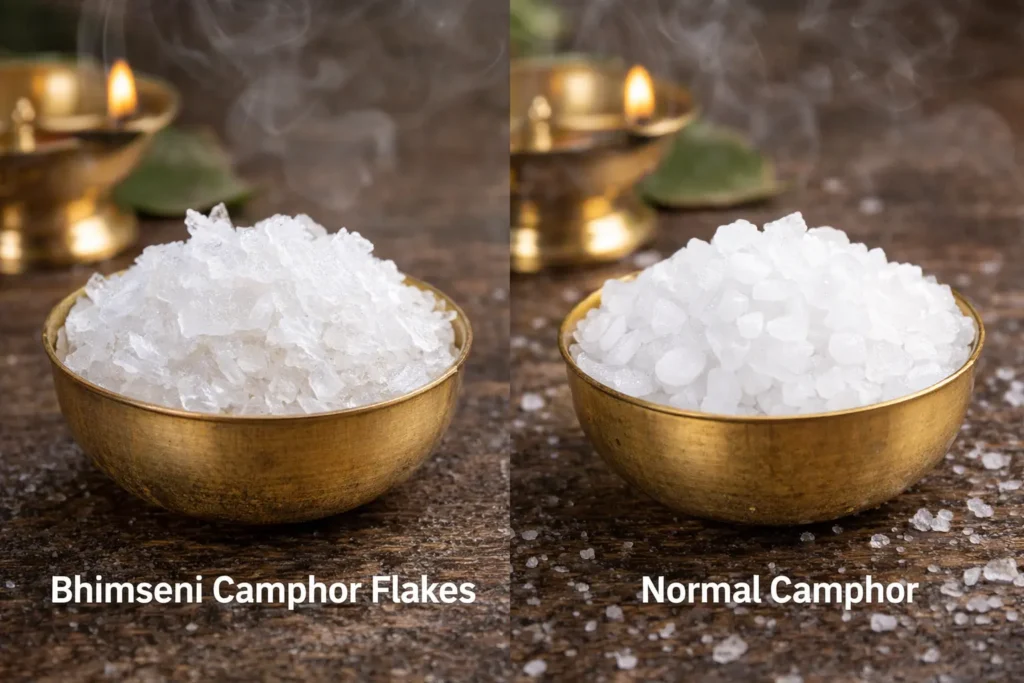
Bhimseni camphor flakes represent a premium grade of natural camphor that holds special significance in traditional, religious, and therapeutic applications across South Asia and beyond. While both Bhimseni and normal camphor share the same basic chemical structure, their origins, purity levels, and traditional uses create meaningful distinctions that matter to consumers, practitioners, and manufacturers alike. At SVD PineChem, we understand the importance of these distinctions and supply authentic, high-quality camphor products that meet the diverse needs of our global customer base.
The market for specialty camphor products in 2026 reflects growing consumer awareness about ingredient quality, authenticity, and traditional sourcing methods. Bhimseni camphor flakes command premium prices and loyal followings among users who value their natural origins and perceived superior qualities. At SVD PineChem, our commitment to transparency and quality helps customers navigate the sometimes confusing landscape of camphor varieties, ensuring they receive products that match their specific requirements.
Understanding the differences between Bhimseni camphor flakes and normal camphor is essential for anyone purchasing camphor for religious ceremonies, therapeutic applications, or specialized manufacturing purposes. This comprehensive guide explores the origins, characteristics, uses, and quality considerations that distinguish these camphor types, providing the authoritative information you need to make informed decisions.
What Are Bhimseni Camphor Flakes?
Bhimseni camphor flakes are a premium variety of natural camphor traditionally sourced from the Cinnamomum camphora tree, particularly prized in Indian, Nepalese, and other South Asian cultural contexts. The term “Bhimseni” (also spelled Bhimsen or Bhimsain) references the legendary strength and purity associated with the Mahabharata hero Bhima, reflecting the perceived superior quality and potency of this camphor variety.
Authentic Bhimseni camphor flakes appear as translucent, crystalline flakes with exceptional purity and a characteristic strong, clean camphoraceous aroma. They are typically larger and more crystalline in structure compared to pressed camphor tablets, forming delicate, flaky crystals that sublime (transition directly from solid to gas) when heated. This physical form factor and high purity level distinguish Bhimseni camphor from other commercial camphor products.
The traditional production of Bhimseni camphor flakes involves steam distilling the wood, bark, and roots of mature camphor trees, then allowing the resulting crude camphor to undergo natural crystallization or sublimation processes that yield pure white flakes. This time-honored method produces camphor of exceptional purity—often 99% or higher—without the additives, binders, or processing aids used in mass-manufactured camphor products.
In cultural and religious contexts, Bhimseni camphor flakes hold particular significance for Hindu and Buddhist ceremonies, meditation practices, and traditional Ayurvedic applications. Practitioners believe that the natural origin and high purity of Bhimseni camphor make it more suitable for spiritual practices compared to synthetic alternatives. This cultural importance sustains demand and premium pricing for authentic Bhimseni camphor in traditional markets.
What Is Normal Camphor and How Is It Different?
Normal camphor, in contrast to Bhimseni camphor flakes, typically refers to commercially produced camphor products that may be synthetic, semi-synthetic, or natural camphor processed into convenient forms like pressed tablets or blocks. The term encompasses a wide range of camphor products manufactured for general consumer and industrial use, without the specific cultural designations associated with Bhimseni varieties.
Most normal camphor available in global markets today is synthetic camphor produced from turpentine oil derivatives, specifically through chemical transformation of alpha-pinene extracted from pine trees. This manufacturing process creates camphor with identical chemical structure (C₁₀H₁₆O) to natural camphor but through industrial synthesis rather than direct extraction from camphor trees. Synthetic camphor dominates commercial markets due to cost-effectiveness, consistent quality, and reliable supply at scale.
Normal camphor products often contain additives, binders, and processing aids that facilitate manufacturing into tablets, blocks, or other consumer-friendly forms. These additives may include binding agents to hold compressed tablets together, flow agents to improve processing, or small amounts of other substances to enhance burning characteristics or stability. While these additives are generally present in small quantities and considered safe for intended uses, they reduce overall camphor purity compared to pure Bhimseni flakes.
The physical form of normal camphor differs notably from Bhimseni camphor flakes. Commercial camphor typically comes as white, opaque pressed tablets or blocks with uniform shape and density. These forms offer convenience and standardized dosing but lack the crystalline, flaky structure and translucent appearance characteristic of traditional Bhimseni camphor. The visual and textural differences allow experienced users to distinguish between varieties at a glance.
How Do Their Origins and Production Methods Compare?
Bhimseni camphor flakes trace their origins to traditional production methods centered in regions where camphor trees (Cinnamomum camphora) grow naturally, particularly in parts of Nepal, India, and Southeast Asia. The production process begins with harvesting wood and roots from mature camphor trees—ideally wild-grown or traditionally cultivated specimens—followed by steam distillation to extract crude camphor. This crude material then undergoes purification through sublimation, where heating causes camphor to vaporize and then recrystallize as pure white flakes.
This traditional production method is labor-intensive and time-consuming, requiring expertise in proper harvesting, distillation, and purification techniques. The limited supply of wild camphor trees and the artisanal nature of production contribute to Bhimseni camphor’s premium pricing. At SVD PineChem, we work with suppliers who maintain these traditional methods while implementing quality controls that ensure consistency and purity for our customers.
Normal camphor production follows industrial chemical synthesis routes that dominate global camphor supply. The most common method starts with alpha-pinene extracted from turpentine oil (a pine tree derivative), which undergoes chemical transformations including isomerization and oxidation to yield synthetic camphor. This process produces camphor at much larger scales and lower costs than natural extraction, making camphor accessible for widespread commercial applications.
The synthetic production of normal camphor offers several practical advantages including consistent composition, predictable supply independent of camphor tree availability, and controllable purity levels. Modern chemical plants can produce highly pure synthetic camphor (98-99%) that meets pharmaceutical standards, though this material typically undergoes additional processing and formulation with binders before reaching consumers as tablets or blocks.
Why Do Bhimseni Camphor Flakes Command Premium Prices?
Bhimseni camphor flakes typically cost 2-5 times more than normal camphor products, with pricing reflecting several factors that contribute to their perceived and actual value. Understanding these pricing drivers helps consumers evaluate whether the premium justifies their specific needs and applications.
Natural Origin Premium: The natural extraction from camphor trees carries inherent value in markets prioritizing natural over synthetic ingredients. Consumer preference for natural products, particularly in wellness, spiritual, and traditional medicine contexts, sustains willingness to pay premium prices for authentically natural camphor like Bhimseni varieties.
Limited Supply and Production Scale: Natural camphor production is constrained by camphor tree availability, traditional processing capacity, and the time-intensive nature of artisanal production methods. These supply limitations create scarcity that supports higher pricing compared to mass-produced synthetic camphor with virtually unlimited production capacity.
Cultural and Traditional Significance: In religious and spiritual applications, Bhimseni camphor’s traditional associations and cultural importance create value beyond pure chemical functionality. Practitioners purchasing camphor for ceremonies, pujas, or meditation often specifically seek Bhimseni varieties, making them willing to pay premiums for authentic products that align with traditional practices.
Purity and Quality Perception: Bhimseni camphor flakes’ higher purity levels (often 99%+ without additives or binders) and their crystalline form represent quality markers that justify premium pricing for discerning users. The absence of binding agents, processing aids, and other additives appeals to consumers seeking the purest possible camphor for therapeutic or spiritual applications.
Authenticity Verification: The premium pricing of authentic Bhimseni camphor creates market incentives for adulteration or misrepresentation, where lower-quality camphor is sold as premium Bhimseni varieties. Reputable suppliers like SVD PineChem invest in sourcing verification, quality testing, and supply chain transparency that ensure authenticity—costs that factor into premium pricing but provide value through guaranteed product integrity.
What Are the Key Differences in Physical Characteristics?
Appearance and Form: Bhimseni camphor flakes present as translucent to transparent crystalline flakes with irregular, delicate structures that reflect light distinctively. Their flaky, crystalline nature makes them visually striking and easily recognizable. Normal camphor typically appears as opaque white pressed tablets or blocks with uniform, dense structures that lack the crystalline transparency of Bhimseni flakes.
Texture and Handling: The delicate, flaky texture of Bhimseni camphor requires careful handling to prevent crushing or fragmentation. The flakes can be easily broken into smaller pieces as needed and sublime readily when exposed to heat. Normal camphor tablets feel hard and dense, with cohesive structures that resist breaking without deliberate force.
Aroma Intensity: Users often report that Bhimseni camphor flakes possess stronger, cleaner, more penetrating aromatic characteristics compared to normal camphor. This difference may reflect higher purity and the absence of binding agents that could affect scent profile. The aromatic distinction, while subtle, is noticeable to experienced users and contributes to preference for Bhimseni varieties in applications where scent matters.
Burning Characteristics: When ignited for ceremonial or aromatic purposes, Bhimseni camphor flakes burn with a bright, clean flame producing minimal residue due to high purity. Normal camphor tablets may burn less cleanly, potentially leaving ash or residue from binders and additives. The smoke-free burning of pure Bhimseni camphor is particularly valued in religious contexts where clean combustion symbolizes purity.
Sublimation Rate: The pure crystalline structure of Bhimseni camphor flakes promotes efficient sublimation—the direct transition from solid to gas phase. This property makes them effective for applications relying on vapor release, whether for aromatic purposes or traditional medicinal inhalations. Normal camphor with binders may sublime less efficiently, with non-volatile additives remaining as residue.
How Do Their Traditional and Modern Uses Differ?
Religious and Spiritual Applications: Bhimseni camphor flakes are strongly preferred for Hindu pujas, aarti ceremonies, and Buddhist rituals where natural, pure ingredients are traditionally specified. The belief that natural Bhimseni camphor possesses spiritual properties and purity superior to synthetic alternatives makes it the default choice for religious applications. Normal camphor, while sometimes used, may be considered less appropriate or effective in these traditional contexts.
Ayurvedic and Traditional Medicine: In classical Ayurvedic formulations, Bhimseni camphor flakes are specifically called for in certain preparations where natural origin and purity are considered essential for therapeutic efficacy. Traditional practitioners often insist on Bhimseni varieties for internal formulations (when permitted by regulation) or specific external applications. Normal synthetic camphor may not be considered authentic for traditional medicinal systems even when chemically identical.
Aromatherapy and Wellness: The wellness sector shows mixed usage, with some practitioners and consumers preferring Bhimseni camphor flakes for perceived natural superiority, while others use normal camphor effectively in topical formulations and aromatic applications. The choice often reflects personal philosophy about natural versus synthetic ingredients rather than measurable functional differences.
Industrial and Pharmaceutical Applications: Normal camphor dominates pharmaceutical manufacturing, industrial chemistry, and commercial consumer products due to cost-effectiveness, consistent supply, and regulatory acceptance of synthetic camphor in these applications. Bhimseni camphor flakes are rarely specified for industrial uses where the premium pricing cannot be justified by functional advantages.
Cultural Preservation: In 2026, there’s growing interest in preserving traditional production methods and cultural heritage associated with natural camphor varieties like Bhimseni. This cultural preservation movement sustains artisanal production and maintains traditional knowledge even as synthetic alternatives dominate commercial markets. At SVD PineChem, we support this balance by offering both traditional Bhimseni camphor flakes and modern camphor products to serve diverse customer needs.
What Should You Consider When Choosing Between Them?
Application and Purpose: For religious ceremonies, traditional medicine, or cultural practices where authenticity and natural origin matter, Bhimseni camphor flakes are the appropriate choice despite higher cost. For general household use, moth repellent applications, or situations where camphor’s functional properties matter more than its origin, normal camphor provides cost-effective performance.
Budget Considerations: The significant price difference between Bhimseni camphor flakes and normal camphor makes budget an important factor. For regular, high-volume uses, normal camphor offers practical economics. For special occasions, traditional ceremonies, or applications where you want premium quality, investing in Bhimseni flakes may be worthwhile.
Availability and Sourcing: Normal camphor is widely available through countless retail and commercial channels worldwide. Authentic Bhimseni camphor flakes require more careful sourcing from specialized suppliers who can verify authenticity and maintain quality standards. Working with reputable suppliers like SVD PineChem ensures you receive genuine products rather than adulterated substitutes.
Purity Requirements: If your application demands the highest possible purity without any additives, binders, or processing aids, Bhimseni camphor flakes offer advantages. For applications where small amounts of additives are acceptable or where purity levels of 95-98% suffice, normal camphor meets requirements at lower cost.
Cultural and Personal Values: Some consumers prioritize natural ingredients, traditional production methods, and supporting artisanal producers—values that align with choosing Bhimseni camphor flakes. Others focus primarily on functional effectiveness and cost-efficiency, making normal camphor the pragmatic choice. Both approaches are valid depending on individual priorities and circumstances.
How Can You Verify Authentic Bhimseni Camphor Flakes?
Visual Inspection: Authentic Bhimseni camphor flakes should appear as translucent to transparent crystalline structures with irregular, flaky forms. They should not be uniformly shaped tablets or blocks. The translucency and crystalline sparkle distinguish genuine flakes from pressed products. Opaque white appearance suggests additives or different camphor varieties.
Purity Testing: Laboratory analysis can verify camphor purity and detect adulterants or additives. Reputable suppliers provide certificates of analysis documenting purity levels, typically 99% or higher for genuine Bhimseni camphor. If purchasing significant quantities, requesting analytical documentation ensures product authenticity and quality.
Burning Test: When ignited, authentic Bhimseni camphor flakes burn completely with a bright, clean flame, leaving minimal to no residue. Significant ash or residue indicates binders, additives, or impurities inconsistent with pure natural camphor. This simple test provides quick quality indication, though it’s not definitive for authentication.
Aroma Assessment: Experienced users can distinguish authentic Bhimseni camphor by its strong, clean, penetrating aroma. While subjective, aroma provides quality clues—weak or off-odors may indicate degradation, impurities, or lower-quality camphor marketed as premium varieties.
Supplier Reputation: The most reliable way to ensure authentic Bhimseni camphor flakes is purchasing from established, reputable suppliers with verifiable supply chains and quality commitments. At SVD PineChem, we maintain direct relationships with traditional producers and implement quality verification processes that give customers confidence in product authenticity.
Conclusion: Choosing the Right Camphor for Your Needs
The distinction between Bhimseni camphor flakes and normal camphor reflects differences in origin, production methods, purity, cultural significance, and intended applications. While both serve important roles in their respective markets, understanding these differences enables informed choices aligned with your specific needs, values, and budget considerations.
Bhimseni camphor flakes offer unparalleled purity, natural origin, traditional authenticity, and cultural appropriateness for religious ceremonies, Ayurvedic practices, and applications where these qualities matter most. The premium pricing reflects genuine value in supply constraints, production complexity, and the special properties that make Bhimseni varieties preferred in traditional contexts.
Normal camphor provides practical, cost-effective functionality for everyday uses, household applications, and industrial manufacturing where synthetic origin presents no disadvantage. Modern production ensures consistent quality, reliable supply, and accessibility that serves mass market needs effectively. The choice between varieties need not be either-or—both have legitimate places depending on context and requirements.
At SVD PineChem, we’re committed to offering both authentic Bhimseni camphor flakes and high-quality normal camphor products, supporting customers across the full spectrum of camphor applications. Our expertise in camphor sourcing, quality verification, and market knowledge helps you navigate choices confidently, ensuring you receive products that meet your specifications and expectations.
Whether you seek the traditional purity of Bhimseni camphor flakes for spiritual practices or the practical performance of normal camphor for everyday uses, making informed decisions based on understanding key differences ensures satisfaction and successful outcomes. The world of camphor offers more variety than many realize—knowing these distinctions empowers better choices for every application.
Frequently Asked Questions (FAQ)
Q: Is Bhimseni camphor chemically different from normal camphor?
A: No, authentic Bhimseni camphor and pure synthetic camphor have identical chemical structures (C₁₀H₁₆O). The differences lie in their origin (natural extraction vs. synthetic production), purity levels, physical form (crystalline flakes vs. pressed tablets), and the presence or absence of additives. Chemically, when comparing pure materials, they are the same compound.
Q: Can I use normal camphor for religious ceremonies instead of Bhimseni camphor?
A: While functionally camphor performs the same regardless of origin, traditional and religious contexts often specify Bhimseni or natural camphor due to cultural beliefs about purity and appropriateness. If following traditional practices, Bhimseni camphor flakes are recommended. For less formal settings, normal camphor may be acceptable depending on personal beliefs and community standards.
Q: Why is Bhimseni camphor so much more expensive than normal camphor?
A: Several factors create the price premium: limited supply from natural camphor trees, labor-intensive traditional production methods, higher purity without additives, cultural significance driving demand, and the costs of authenticity verification. The price difference typically ranges from 2-5 times more than normal camphor, reflecting these value factors.
Q: How can I tell if Bhimseni camphor is authentic or fake?
A: Authentic Bhimseni camphor appears as translucent crystalline flakes (not opaque tablets), burns cleanly with minimal residue, has a strong clean aroma, and typically comes with purity documentation from reputable suppliers. Purchase from established suppliers like SVD PineChem who verify supply chains and provide certificates of analysis. Be skeptical of unusually low prices for products claiming to be Bhimseni camphor.
Q: Is natural Bhimseni camphor safer than synthetic normal camphor?
A: When both are pure camphor, they have the same safety profile since they’re chemically identical. However, Bhimseni camphor’s higher purity and lack of additives may reduce exposure to binders or processing aids present in some normal camphor products. Both should be used with identical safety precautions—never ingest, use as directed, and keep away from children.
Q: Where does authentic Bhimseni camphor come from?
A: Authentic Bhimseni camphor traditionally comes from natural camphor extracted from Cinnamomum camphor trees grown primarily in regions of Nepal, India, and parts of Southeast Asia. The term “Bhimseni” has particular cultural significance in South Asian contexts. Traditional production methods in these regions yield the crystalline flakes characteristic of genuine Bhimseni camphor.
